
Introduction
Storage plays a central role in how a home feels and functions. When belongings do not have a proper place, even beautifully designed interiors can quickly begin to feel cluttered and overwhelming.
However, effective storage does not need to look purely practical or utilitarian. Thoughtful storage solutions can support daily organization while also enhancing the visual atmosphere of a room.
Functional storage combines two important goals: maintaining order and contributing to the overall aesthetic of the home.
Instead of hiding everything away or filling spaces with bulky cabinets, modern storage strategies focus on pieces that feel integrated into the design of the room.
From decorative baskets to built-in shelving, functional storage ideas help homes remain both organized and visually balanced.
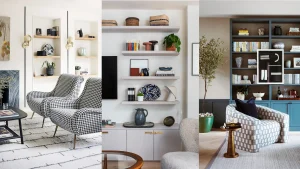
When storage works well, rooms feel calmer, daily routines become easier, and the home maintains a sense of visual harmony.
Why Functional Storage Matters in Interior Design
Many people think about storage only when clutter begins to appear. In reality, storage planning should be part of the design process from the beginning.
When storage is considered early, it becomes easier to maintain organization without compromising the style of the space.
Well-designed storage solutions provide several benefits:
• they keep everyday items accessible
• they reduce visual clutter
• they help maintain balanced interiors
• they support daily routines more efficiently
Incorporating storage into the overall design of a room allows organization systems to feel natural rather than forced.
If you want to understand how storage planning affects the entire home, our guide on home organization ideas explores how thoughtful systems simplify daily life.
Decorative Storage That Enhances a Room
Some storage pieces are designed not only for organization but also for visual appeal.
Decorative storage works especially well in living rooms, bedrooms, and entryways where items may remain partially visible.
Examples include:
• woven baskets
• decorative boxes
• ceramic containers
• fabric storage bins
• wooden crates
These pieces provide practical storage while also contributing texture and warmth to the room.
Rather than hiding every object, decorative storage allows everyday items to become part of the design.

This approach creates spaces that feel lived-in yet still organized.
Built-In Storage Solutions
Built-in storage is one of the most effective ways to combine design and functionality.
Because these elements are integrated into the structure of the room, they provide storage without making the space feel crowded.
Common built-in storage solutions include:
• wall shelving systems
• window seat storage
• built-in cabinets
• recessed shelving
• media storage walls
Built-ins work especially well in living rooms and bedrooms where maintaining visual balance is important.
They create clean lines while offering significant storage capacity.
Multifunctional Furniture With Storage
Furniture that includes built-in storage is one of the most practical solutions for modern homes.
These pieces help reduce the number of storage units required while keeping the room visually clean.
Examples of multifunctional storage furniture include:
• ottomans with hidden compartments
• beds with storage drawers
• coffee tables with shelves or drawers
• benches with internal storage
• side tables with concealed compartments
These pieces are particularly helpful in smaller homes or apartments where every piece of furniture needs to serve multiple purposes.

multifunctional-furniture-with-hidden-storage-in-living-room
When chosen carefully, multifunctional furniture supports both comfort and organization.
Hidden Storage for a Clean Look
While open storage can be beautiful, too many visible items may create visual noise.
Hidden storage helps maintain calm interiors by concealing everyday objects behind doors, drawers, or compartments.
Examples include:
• storage beds
• closed cabinets
• furniture with internal compartments
• wall units with concealed sections
Hidden storage allows rooms to feel tidy even when they contain many everyday items.
This balance between accessibility and concealment is key to maintaining a relaxed atmosphere at home.
Vertical Storage That Saves Space
In many homes, wall space remains underused.
Vertical storage solutions allow you to increase storage capacity without adding bulky furniture.
Examples include:
• floating shelves
• tall bookcases
• wall-mounted cabinets
• pegboards
• hanging storage systems
Vertical storage works especially well in smaller homes where floor space must remain open.

floating-wall-shelves-used-for-vertical-storage
Using wall height effectively can dramatically improve the functionality of a room.
Storage That Adapts to Everyday Life
Functional storage should adapt to how people actually live.
Homes that remain organized over time usually rely on simple, flexible systems rather than complex arrangements.
Effective storage solutions often share a few characteristics:
• items are easy to reach
• systems are simple to maintain
• storage fits naturally into daily routines
• organization does not require constant effort
When storage solutions match everyday habits, organization becomes much easier to sustain.
Combining Storage With Interior Style
One of the most effective ways to create functional storage is selecting pieces that match the design style of the home.
For example:
Minimalist interiors often use concealed cabinets and simple shelving.
Rustic spaces may incorporate wooden crates, baskets, and open shelving.
Modern interiors frequently rely on modular shelving systems and clean built-in cabinets.
By choosing storage that complements the room, organization becomes part of the visual design instead of an afterthought.

How to Choose the Right Storage for Each Room
Different rooms require different types of storage. What works well in a living room may not function effectively in a kitchen or bedroom.
Understanding the purpose of each space helps guide better storage decisions.
For example, living rooms often benefit from storage that balances accessibility and design. Decorative baskets, media cabinets, and shelving units can hold everyday items while still contributing to the visual atmosphere of the room.
In bedrooms, storage tends to focus on clothing, accessories, and personal belongings. Solutions such as drawer dividers, closet organizers, and under-bed storage help maintain order without overcrowding the room.
Kitchens, on the other hand, require highly functional storage systems. Cabinets, drawer organizers, and vertical shelving make it easier to access frequently used items while keeping surfaces clear.
By choosing storage solutions tailored to the needs of each room, organization becomes easier to maintain over time.
Small Changes That Improve Storage Efficiency
Improving storage does not always require large furniture pieces or built-in systems. Often, small adjustments can dramatically increase how efficiently a space functions.
Simple changes can include:
• adding drawer organizers
• using shelf risers inside cabinets
• placing baskets inside closets
• using trays to group smaller items
• installing hooks behind doors
These small tools help create designated spaces for everyday items.
When belongings have a specific place, it becomes easier to maintain organization and prevent clutter from building up.
Even small improvements can significantly change how a room functions.
Storage That Supports Daily Habits
One of the most overlooked aspects of home organization is how storage interacts with everyday routines.
Storage systems work best when they align with natural habits.
For example, if bags and jackets are often dropped near the entryway, adding hooks or a small storage bench in that area helps support existing routines.
Similarly, placing baskets near frequently used spaces allows items to be stored quickly without interrupting daily activities.
The goal of functional storage is not to create rigid systems but to design spaces that naturally support the way people live.
When storage works with daily habits instead of against them, organization becomes much easier to maintain.
Rotating and Updating Storage Over Time
Homes change over time as lifestyles, seasons, and personal needs evolve. Because of this, storage systems should remain flexible.
Periodically reviewing storage areas helps ensure that they continue to serve the home effectively.
A helpful strategy is seasonal rotation.
For example:
• winter clothing can be stored during warmer months
• holiday decorations can be placed in long-term storage
• rarely used items can be moved to higher shelves
Regularly updating storage prevents cabinets and closets from becoming overcrowded.
This habit keeps storage systems efficient and helps maintain a calm, organized home environment.
Open vs Closed Storage: Finding the Right Balance
One of the most important decisions when planning storage is choosing between open and closed systems.
Open storage includes elements such as shelves, baskets, and visible containers. These solutions allow items to remain easily accessible and can also contribute to the decorative atmosphere of a room.
However, too many visible objects can sometimes create visual clutter.
Closed storage, on the other hand, hides items behind doors, drawers, or cabinets. This approach helps maintain a calm and minimalist appearance.
Most well-organized homes combine both strategies.
For example, open shelving may be used for decorative pieces or frequently used items, while closed cabinets store objects that are less visually appealing.
Finding the right balance between open and concealed storage helps maintain both functionality and visual harmony.
How Functional Storage Improves Everyday Life
Functional storage does more than simply organize objects. It also improves how people interact with their homes on a daily basis.
When storage systems are thoughtfully designed, everyday routines become smoother and more efficient.
For example, having a designated place for frequently used items reduces the time spent searching for them. Organized kitchens make cooking easier, while well-planned entryways simplify leaving and returning home.
Over time, effective storage systems reduce stress and help maintain a more peaceful living environment.
This is why many interior designers consider storage one of the most important elements of a successful home.
A beautiful interior may initially attract attention, but a well-organized home is what makes a space truly comfortable to live in.

decorative-box-used-as-functional-storage-in-home-decor
FAQ – Functional Storage
What is functional storage?
Functional storage refers to storage solutions that combine practical organization with design elements that enhance the look of a room.
How do you create stylish storage at home?
Using decorative baskets, multifunctional furniture, built-in shelving, and hidden compartments can help maintain organization while keeping spaces visually attractive.
What storage works best in small homes?
Multifunctional furniture, vertical shelving, and hidden storage compartments are especially effective for small spaces.
Can storage improve interior design?
Yes. When storage is thoughtfully integrated into a room’s layout, it helps maintain visual balance and prevents clutter from disrupting the design.
You May Also Like
If you want to explore more organization strategies for your home, these guides offer additional ideas:
• Home Organization Ideas That Simplify Daily Life – practical strategies for creating simple systems that keep your home organized.
• Apartment Organization Ideas for Small Homes – smart solutions for maximizing storage in compact living spaces.
• Bedroom Organization Ideas That Actually Work – helpful techniques for keeping sleeping spaces calm and organized.
• Why Storage Planning Should Come Before Decorating – how thoughtful storage planning improves both design and functionality.
Final Thoughts
Functional storage plays a crucial role in maintaining homes that feel both organized and visually appealing.
When storage solutions combine practicality with thoughtful design, they allow everyday items to remain accessible without creating clutter.
From decorative baskets to multifunctional furniture and built-in shelving, the right storage choices can transform how a home functions.
By choosing solutions that support daily routines while complementing interior style, it becomes much easier to maintain a home that feels calm, comfortable, and beautifully organized.