
Bed Size Guide: How to Choose the Right Bed for Better Sleep and Comfort
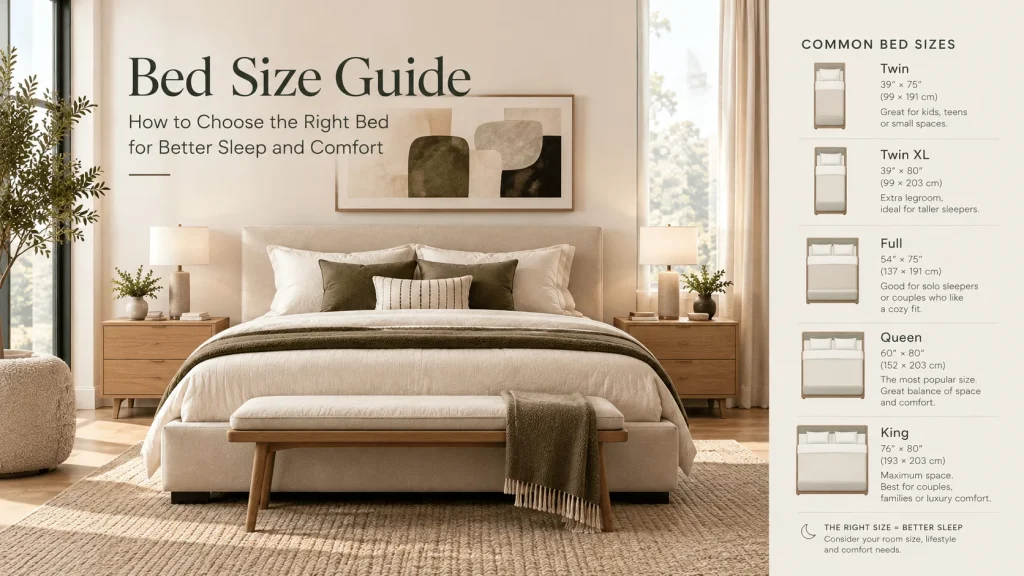
Introduction A good bed size guide begins with understanding that the bed is the most important piece of furniture in any bedroom. Its dimensions influence comfort, circulation, storage options and even how relaxing the entire room feels. Many people focus on mattress quality while overlooking the importance of choosing the correct bed size. Yet even […]
Dark Curtains in Bedroom: When and How to Use Them
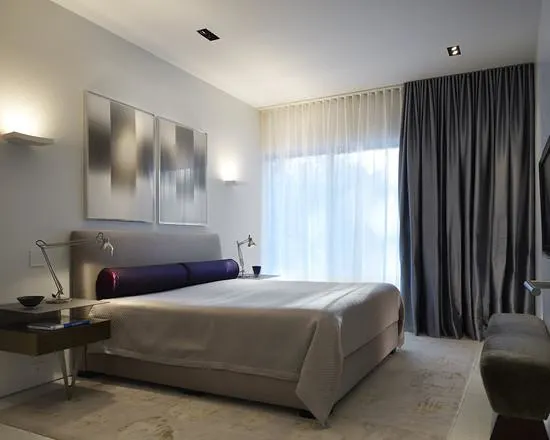
Introduction Choosing dark bedroom curtains can completely transform the atmosphere of a bedroom. While light-colored curtains often make rooms feel brighter and more open, darker fabrics introduce depth, privacy, and a sense of comfort that many homeowners appreciate. Dark curtains create visual depth while improving light control. The right fabric, lighting, and color balance prevent […]
Neutral Curtains for Bedroom: Why They Always Work
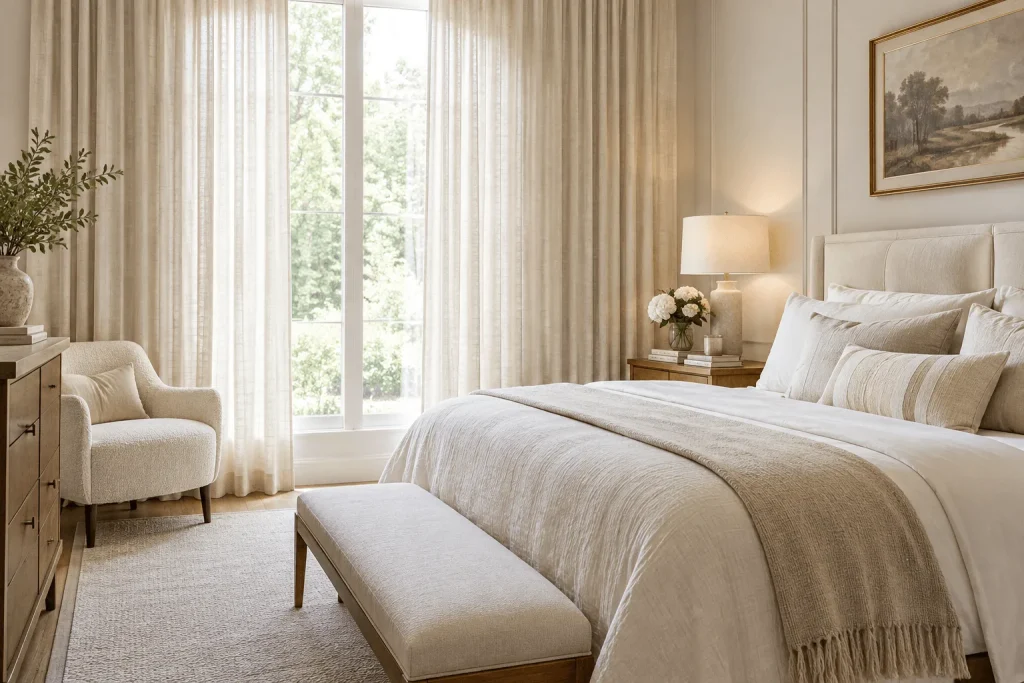
Introduction Choosing neutral curtains bedroom is one of the easiest ways to create a space that feels calm, timeless, and easy to update over the years. Soft neutral fabrics complement changing décor, improve the quality of natural light, and create a peaceful atmosphere without becoming the center of attention. Neutral curtains make bedrooms feel brighter, […]
Bedroom Lighting and Curtains: How to Create a Soft Atmosphere
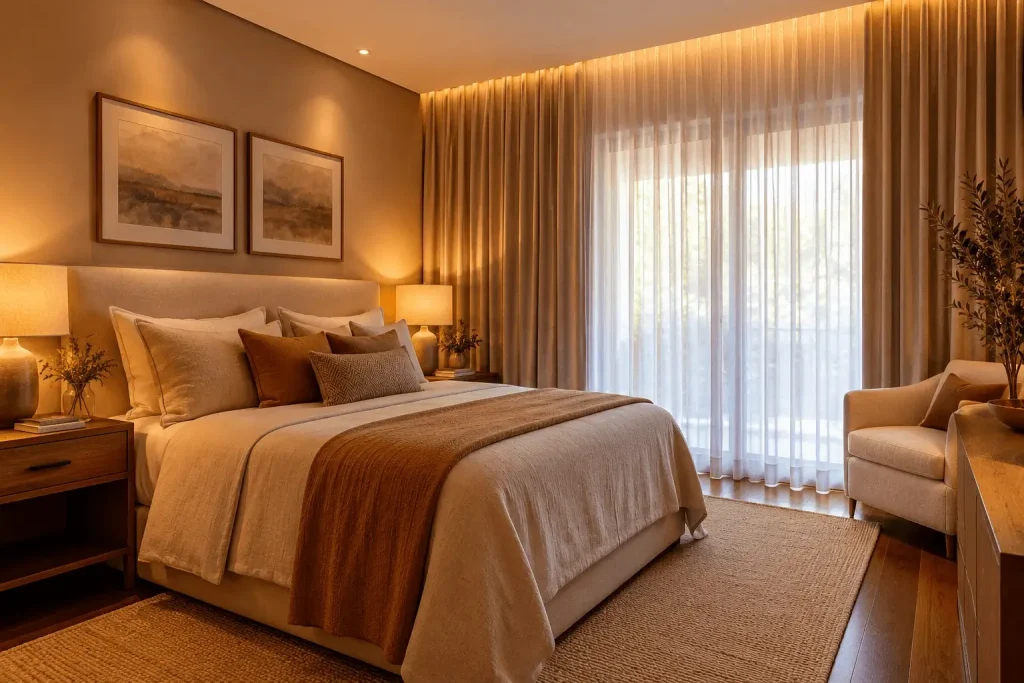
The relationship between bedroom lighting curtains is one of the most overlooked aspects of bedroom design. While lighting fixtures and window treatments are often selected separately, they work together to shape how the room feels from sunrise until bedtime. Curtains influence how natural light enters the room throughout the day. Artificial lighting completes the atmosphere […]
How to Choose Curtain Fabric for a Bedroom
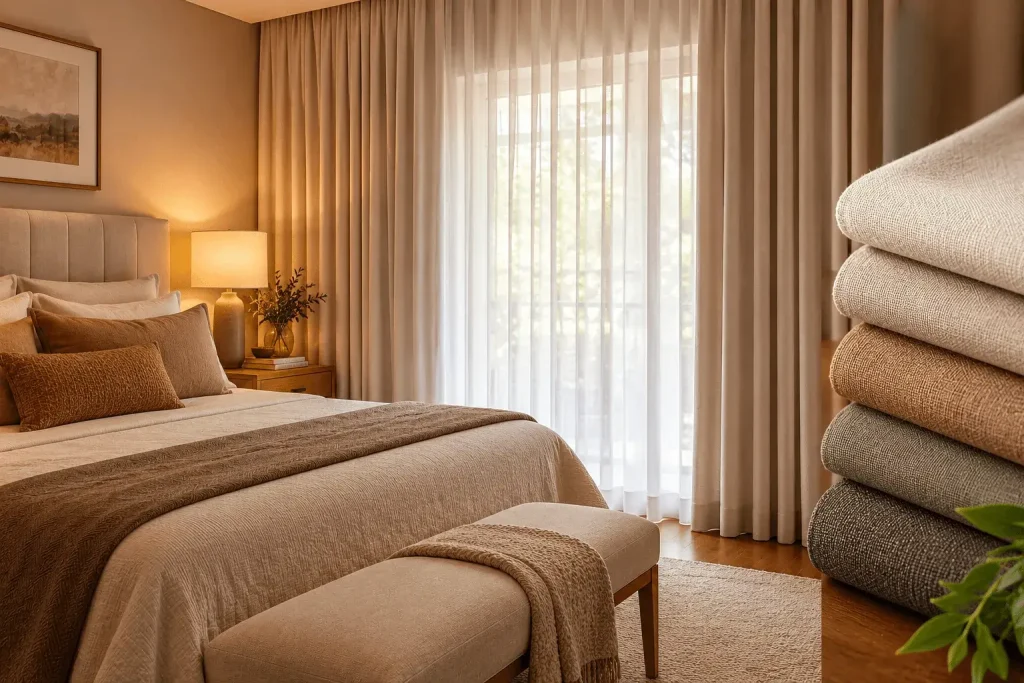
Choosing the right bedroom curtain fabric influences much more than appearance. Fabric affects how natural light enters the room, how private the space feels, how well the bedroom sleeps, and even how comfortable it remains throughout the year. Different curtain fabrics provide different levels of light control, insulation, and privacy. The best fabric depends on […]
Bedroom Curtain Length: Should Curtains Touch the Floor?
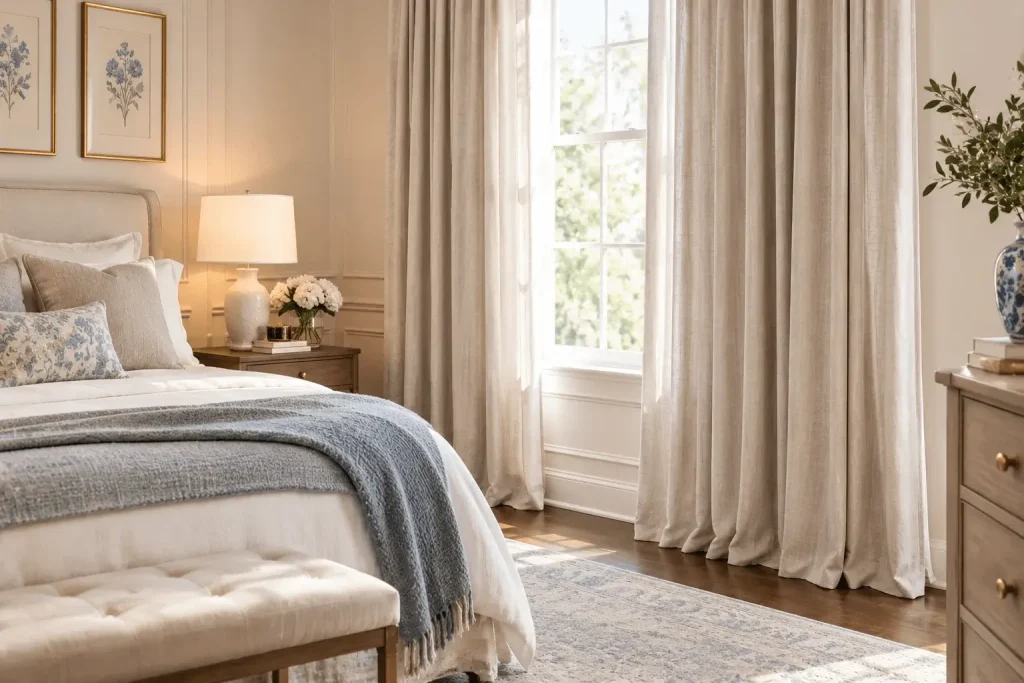
Choosing the right curtain length bedroom is one of the simplest ways to improve the appearance of a bedroom. The length of the curtains affects how tall the room feels, how polished the window looks, and even how much natural light enters the space. Floor-length curtains usually create the most elegant and timeless appearance. The […]
Shared Kids Bedroom Ideas That Actually Work
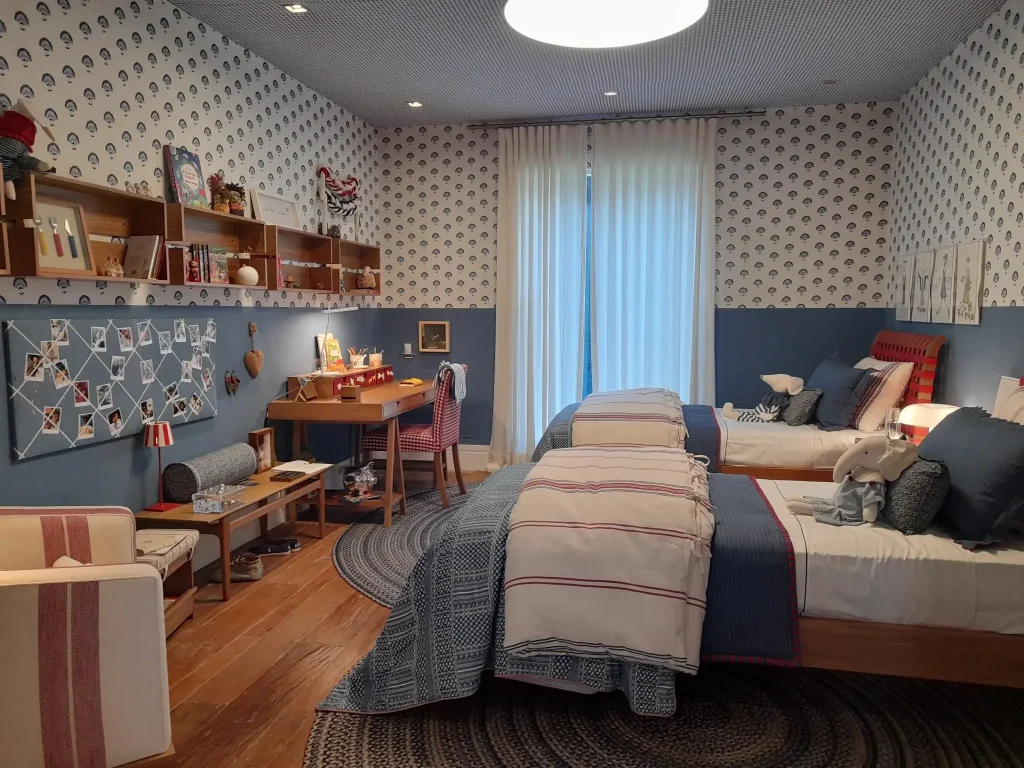
Introduction A shared kids bedroom can become one of the most functional and enjoyable spaces in a home when it is designed around everyday routines instead of simply fitting two beds into one room. Smart layouts, flexible furniture, and thoughtful organization help siblings share a bedroom comfortably while still giving each child a sense of […]
Layered Curtains for Bedroom: How to Combine Sheer and Blackout

Introduction A thoughtfully designed layered curtains bedroom combines beauty with everyday functionality. Pairing sheer curtains with blackout panels gives you greater control over light, privacy, and comfort while creating a softer and more refined look. Layered curtains allow you to adjust natural light throughout the day without sacrificing privacy. Combining sheers and blackout panels creates […]
Kids Bedroom Ideas with Color and Pattern Introduction

Introduction Kids bedroom ideas should create much more than colorful spaces. A thoughtfully designed bedroom encourages creativity, supports everyday routines, and adapts as children grow, making the room both enjoyable and practical for years to come. Color and pattern can stimulate imagination without overwhelming the room. Flexible furniture and timeless design choices reduce the need […]
Cozy Bedroom Colors That Feel Easy to Live With

Introduction Cozy bedroom colors do much more than change the appearance of a room. The right palette influences how a bedroom feels every morning, every evening, and throughout the seasons, creating a space that supports rest instead of demanding attention. Warm color palettes create a more relaxing atmosphere without making the room feel dark. Timeless […]
Small Bedroom Layout Ideas That Improve Flow

Introduction Small bedroom layout ideas can completely change how a room feels without increasing its size. A well-planned layout improves circulation, makes everyday routines easier, and helps even compact bedrooms feel calm and comfortable. Better layouts create more usable space without removing furniture. Smart furniture placement improves movement and reduces visual clutter. The best small […]
Bedroom Wall Decor That Adds Quiet Personality
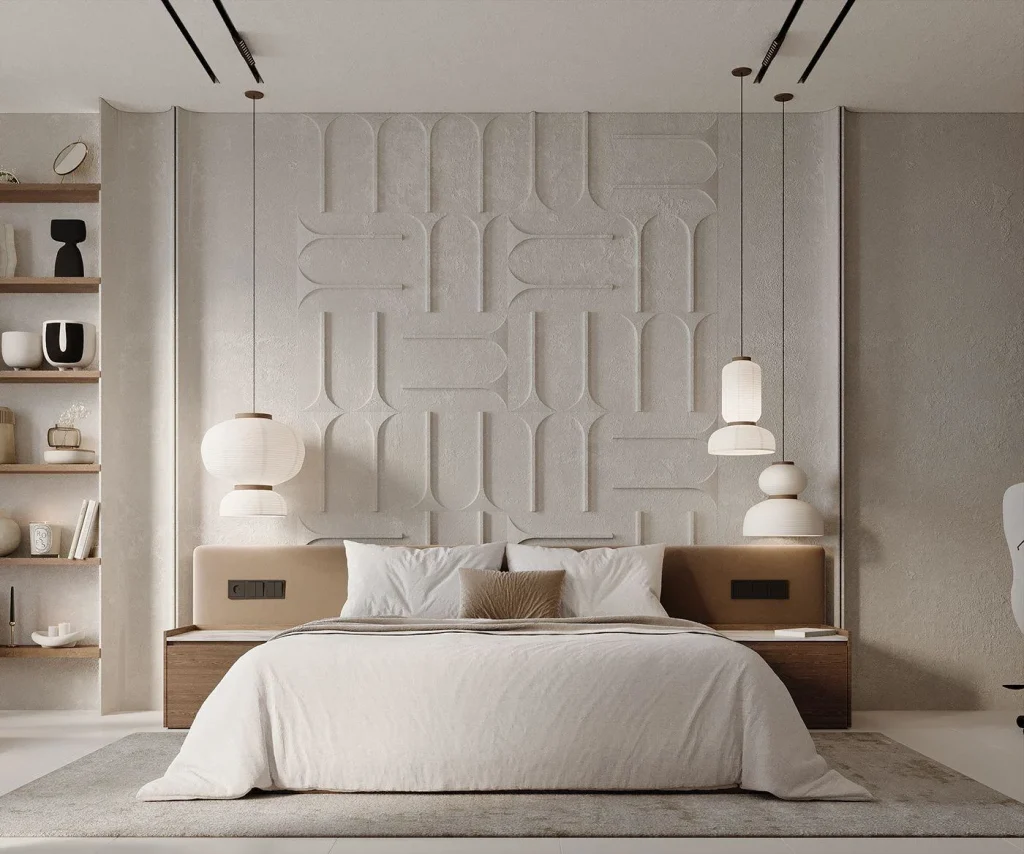
How Wall Texture Creates Quiet Personality Texture is one of the most effective ways to create bedroom wall decor that feels warm, timeless, and intentionally designed. Rather than relying on large artwork or numerous decorative accessories, texture allows the wall itself to become part of the design. It introduces depth, warmth, and personality while maintaining […]
Canopy Bed Bedroom Ideas That Feel Modern
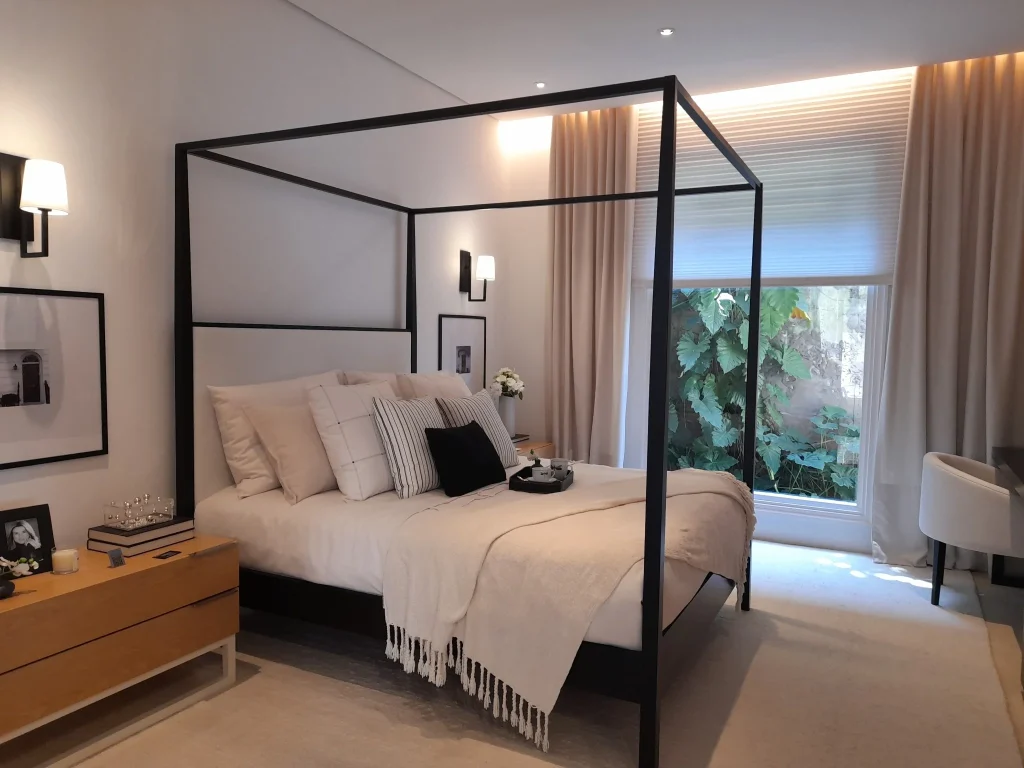
Introduction A canopy bed bedroom can feel elegant without becoming formal. Today’s designs rely on clean lines, natural materials, and thoughtful proportions rather than heavy drapery or traditional styling. A modern canopy bed creates a strong focal point without overwhelming the room. Simple materials and soft textiles keep the space warm and inviting. The right […]
Minimalist Bedroom Ideas That Feel Warm
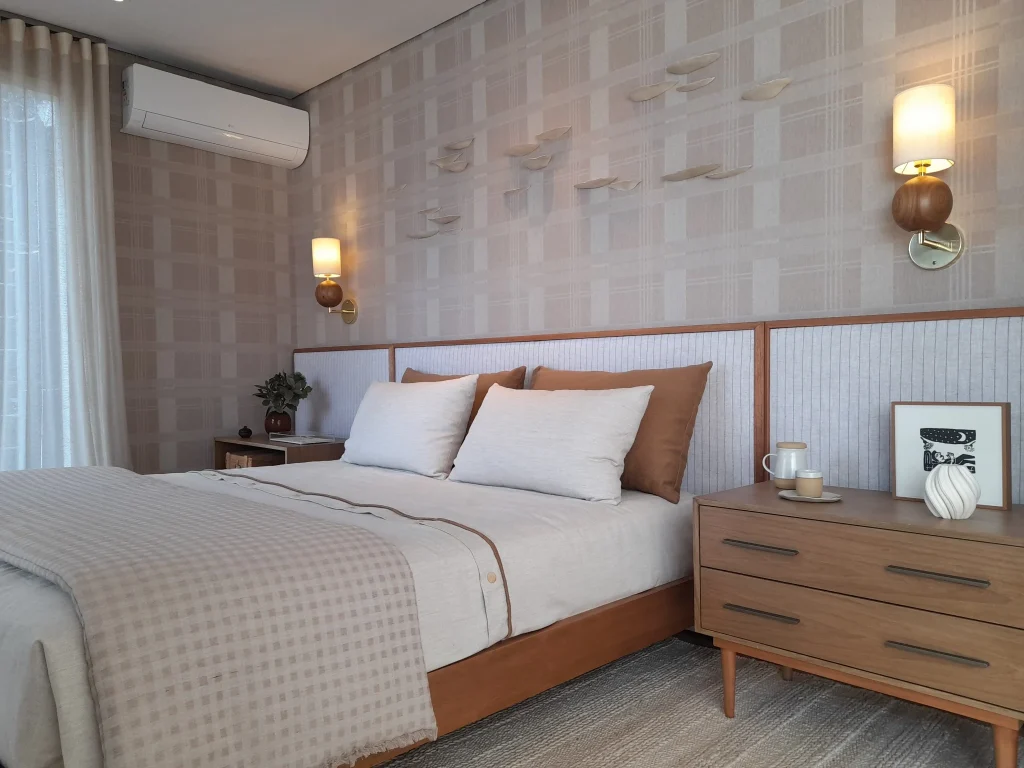
Minimalist bedroom ideas have evolved beyond stark white walls and empty spaces. Today, the most inviting minimalist bedrooms combine simplicity with warmth, creating environments that feel peaceful without feeling cold. • Warm minimalism creates calmer bedrooms without sacrificing comfort. • Natural materials and layered textures make simple spaces feel welcoming. A bedroom should help you […]
Layered Bedding Ideas That Look Expensive
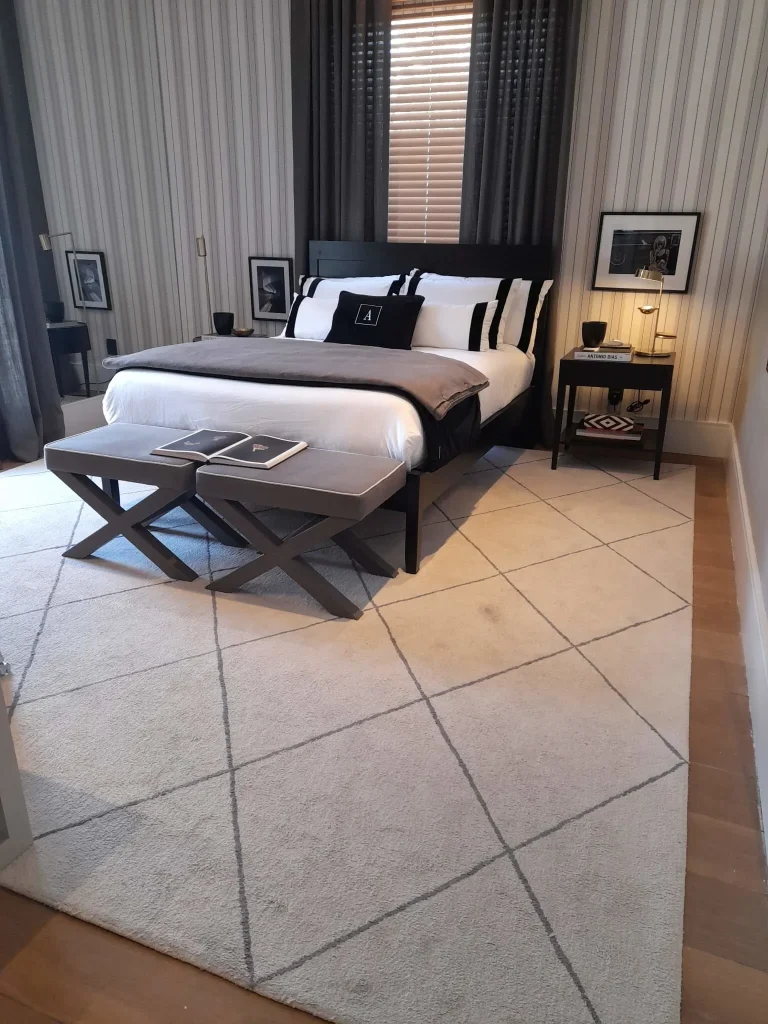
A beautifully styled bed often becomes the visual centerpiece of a bedroom. While luxury hotels and designer homes may appear effortless, much of their appeal comes from thoughtful layering rather than expensive furnishings. Key Takeaways Layering creates visual depth and comfort. Multiple textures make a bed feel more inviting. Neutral palettes often enhance a luxurious […]
How to Style a Bed Like a Designer

These bed styling ideas can help transform an ordinary bedroom into a space that feels more comfortable, balanced, and visually refined. A beautifully styled bed often becomes the focal point of the entire bedroom. Even in a simple room, thoughtful layering, balanced proportions, and carefully chosen textures can create a space that feels refined and […]