

Working from home has changed what people expect from interior spaces. A home office is no longer a temporary corner with a laptop and a chair. It has become a daily environment where comfort, focus, and visual balance directly affect productivity.
Practical home office decor ideas begin with choices that support routine rather than decoration alone. When layout, lighting, materials, and storage work together, the room becomes easier to use for long hours without visual fatigue.
- A productive home office depends on layout before decoration
- Lighting, storage, and material choices influence concentration

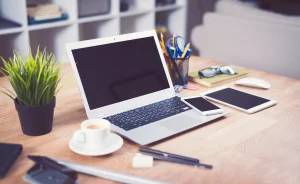
home-office-with-clean-layout-soft-lighting-and-balanced-workspace-design
Start With Layout Before Decoration
Before choosing accessories or wall details, the most important decision is how the workspace occupies the room. Positioning affects posture, light exposure, circulation, and mental comfort throughout the day.
A desk placed too close to a wall can make the room feel restrictive, while one facing a window may create glare if not adjusted correctly. The best layouts usually allow indirect natural light from one side rather than directly in front or behind the screen.
In larger rooms, placing the desk slightly away from the wall often improves visual balance. This creates a stronger sense of purpose and helps separate work from the rest of the room.
In smaller spaces, proportion becomes even more important. A desk that is too deep interrupts circulation and makes movement uncomfortable. Narrow desks often work better when paired with vertical storage rather than bulky furniture

Choose Furniture That Supports Daily Work
Furniture determines whether a home office remains comfortable after several hours of use. A beautiful desk loses value quickly if proportions are wrong.
Desk depth matters more than many people expect. A surface that is too shallow forces the screen too close to the eyes, while an excessively deep desk wastes usable space.
A width that supports a laptop, notebook, and one secondary object usually works best for daily routines.
Chair quality matters even more. Proper support influences posture, breathing, and concentration over time. A structured chair with adjustable height improves daily use far more than decorative seating.
The principles of Ergonomics become essential here because visual design alone cannot compensate for discomfort.
A secondary surface also helps:
- side cabinet
- movable drawer unit
- compact shelf
- narrow console
These supporting pieces reduce clutter on the main desk and preserve a cleaner visual field.

Lighting Makes More Difference Than Decoration
Lighting often determines whether a home office feels energizing or tiring.
Natural light remains the strongest asset when controlled correctly. Soft side light tends to support focus without excessive screen reflection.
Morning light usually improves alertness, while harsh direct sunlight creates discomfort.
Artificial lighting should work in layers:
- ambient light for overall visibility
- task light focused on the desk
- softer secondary light for later hours

A single overhead light often creates shadows that strain the eyes.
A desk lamp positioned slightly to the side supports reading and writing while preserving screen comfort.
Warm evening light helps separate work time from the rest of the day, especially when the office shares space with other home functions.
Lighting choices influence mood more than most decorative accessories.
Storage That Keeps the Mind Clear
Visual clutter quickly affects mental clarity.
A workspace does not need many decorative objects, but it does need defined storage.
Closed storage often works better than open shelves because it reduces visual interruption.
Useful solutions include:
- drawer units
- boxes
- vertical cabinets
- concealed organizers
Even small storage zones improve concentration because daily objects stop competing for attention.
Documents, chargers, notebooks, and cables should each have a clear location.
When storage is integrated well, the desk surface remains partially empty, which improves visual calm.
A partially clear surface often feels more productive than a fully styled one.
Materials That Improve Daily Comfort
Material selection influences the sensory experience of work.
Wood remains one of the most effective materials for home office decor because it introduces warmth without distraction.
Matte finishes tend to reduce glare compared to glossy surfaces.
Textiles also play an important role:
- curtains soften acoustics
- rugs reduce echo
- upholstered seating improves comfort
Hard surfaces alone can make a room feel cold.
A balanced combination of wood, soft textiles, and matte finishes often creates the most stable work atmosphere.

Color Choices That Support Concentration
Color affects attention more subtly than furniture, but its effect is constant.
Neutral tones remain the safest long-term option:
- warm white
- soft beige
- muted gray
- pale earth tones
These tones reduce visual fatigue and allow the workspace to remain adaptable over time.
Muted green also performs well because it introduces calm without excess contrast.
Highly saturated colors may initially feel energizing but often become visually tiring during long hours.
Accent colors work better in small quantities:
- artwork
- one object
- textile detail
A stable palette supports focus more effectively than decorative contrast.
Creating Visual Separation Between Work and Home Life
One of the biggest challenges in home office design is creating a psychological boundary between work and personal life, especially when the office shares space with another room.
When the work zone visually blends into the rest of the home without clear distinction, concentration becomes harder to sustain. Even a small visual separation can improve routine.
This does not require walls or structural changes. Simple design decisions often create enough distinction:
- a dedicated rug under the desk
- a focused wall color behind the workspace
- shelving that defines vertical boundaries
- a different light source reserved only for work hours
imagem da escrivaninha com cromado ou a outra
A rug helps anchor the work area visually, especially in open-plan interiors. It creates a defined zone and gives the desk greater presence without adding furniture.
Wall treatment also helps. A muted paint variation or a textured surface behind the desk introduces identity without overwhelming the room.
In shared bedrooms or living areas, this visual separation becomes even more valuable because it helps the mind switch more easily between different daily functions.
Even small differences in texture or light often create enough psychological structure to improve consistency during work hours.
When the workspace has visual identity, routines tend to feel more stable and deliberate.

home-office-area-defined-by-rug-creating-separation-from-living-space.
Decorative Elements That Still Serve Function
A home office should not feel empty, but decoration needs purpose.
The most successful decorative choices usually perform at least one practical role:
- framed calendar
- shelf with reference books
- tray for essentials
- clock
- plant positioned near light
A small plant softens the environment and introduces visual relief during screen-heavy routines.
Decor that supports rhythm tends to age better than purely trend-based accessories.

Common Mistakes in Home Office Decor
A common mistake is treating the workspace like a decorative corner rather than a functional room.
Typical problems include:
- oversized desk
- poor chair choice
- too many open shelves
- decorative clutter near the screen
Another mistake is placing all attention on background appearance instead of actual comfort.
A visually attractive setup can still perform badly during long daily use.
Rooms that look balanced often depend on invisible decisions:
- cable control
- lighting angle
- chair height
- surface spacing
Good design often feels simple because unnecessary effort has already been removed.
Real-Life Practical Adjustment
A common real-home situation begins with a desk pushed tightly against a wall under one ceiling light.
The result often feels flat, tiring, and visually rigid.
A small adjustment changes the room significantly:
- desk rotated toward side light
- task lamp added
- shelf introduced above eye level
- drawer unit moved below desk edge
This usually creates better depth and improves daily comfort without requiring major changes.
Even minor layout shifts often produce immediate gains in concentration.
Accessories That Improve Productivity Without Overdecorating
Accessories often become excessive in home office spaces, but a few well-selected pieces improve daily rhythm significantly.
The key is choosing objects that perform both visually and functionally.
Useful examples include:
- a tray for daily essentials
- a vertical file holder
- a small analog clock
- a writing board
- one framed reference piece
imagem
A tray helps control small objects that otherwise spread across the desk during the day.
A vertical organizer reduces horizontal clutter and preserves work surface depth.
A clock may seem simple, but it introduces time awareness without relying entirely on digital devices.
Wall accessories work best when limited. One strong visual element often performs better than several smaller pieces competing for attention.
Plants also function well when positioned near natural light. A single plant softens the visual field and reduces the technical feeling that workspaces sometimes develop.
The goal is not decoration for appearance alone, but visual order that quietly supports concentration.
Objects chosen carefully tend to remain useful for years, while trend-based accessories quickly lose relevance.

Making Small Home Offices Feel Larger
Small rooms benefit from visual restraint.
Lighter tones help, but proportion matters more.
Furniture with visible legs often creates more air than solid block pieces.
Wall-mounted shelves reduce floor occupation.
Mirrors may help when positioned carefully, but should not reflect the screen directly.
The goal is not to decorate heavily but to reduce visual compression.
A small office that feels breathable usually performs better than a larger room filled without hierarchy.

Daily Rhythm Matters More Than Styling
A productive office changes across the day.
Morning requires clarity.
Afternoon often benefits from controlled brightness.
Evening demands softer visual transitions.
The best home office decor supports these shifts quietly.
That means:
- accessible lighting
- surfaces easy to reset
- storage that closes quickly
- materials that remain comfortable over long periods
Good decor becomes almost invisible because it supports routine naturally.
How to Keep a Home Office Adaptable Over Time
A home office rarely remains exactly the same over the years. Daily routines change, equipment evolves, and work habits become more specific over time. Because of that, practical home office decor should allow adjustments without requiring a full redesign.
A flexible workspace usually begins with furniture that can accept small changes easily. Shelves that can be repositioned, movable storage units, and surfaces with enough free area make adaptation much simpler when new needs appear.
imagem
Technology also influences how the room functions. Additional screens, chargers, microphones, or writing materials often appear gradually, which means the original layout should leave some reserve space rather than using every surface immediately.
This is why a partially clear desk remains valuable even in fully functional offices. Empty space is not wasted space; it becomes useful when routines shift.
Wall organization should also remain flexible. Instead of fixing too many decorative elements permanently, it helps to leave some visual breathing room so the workspace can evolve naturally.
A practical office also benefits from occasional review. Removing objects that no longer serve daily use keeps the room efficient and visually lighter.
When a workspace adapts easily, it remains useful longer and continues supporting concentration without frequent redesign.

Practical Checklist Before Finalizing the Space
- desk depth supports comfortable screen distance
- chair height aligns naturally
- light enters from the side
- cables remain controlled
- storage exists within arm reach
- one surface remains partially clear
- color palette stays visually calm
Explore More Home Office Guides
If you want to improve your workspace further, these guides expand practical decisions for layout, comfort, and everyday organization:
• How to Create a Functional Home Office focuses on building an efficient foundation for daily work.
• Small Home Office Ideas for Limited Space explores practical ways to work comfortably in compact rooms.
• Home Office Layout Ideas That Support Productivity explains how positioning and circulation influence concentration.
These guides help transform isolated decorating decisions into a workspace that performs better over time.
Frequently Asked Questions
What is the best color for a home office?
Neutral shades such as soft beige, warm white, muted gray, and pale earth tones usually work best because they reduce visual fatigue and help maintain concentration over long periods. Small accents can be added through accessories without overwhelming the room.
How can a small home office feel more comfortable?
A small home office becomes more comfortable when furniture is scaled correctly, storage remains vertical, and the desk surface stays partially clear. Good lighting also makes a significant difference in how spacious the room feels.
Which decor items improve productivity in a home office?
Useful decor items include task lighting, trays, closed storage, a small plant, and one or two visual elements that organize the environment without creating distraction.
Conclusion
Practical home office decor works best when every visual decision quietly supports focus, comfort, and consistency, allowing the room to remain efficient without losing warmth.