
Introduction
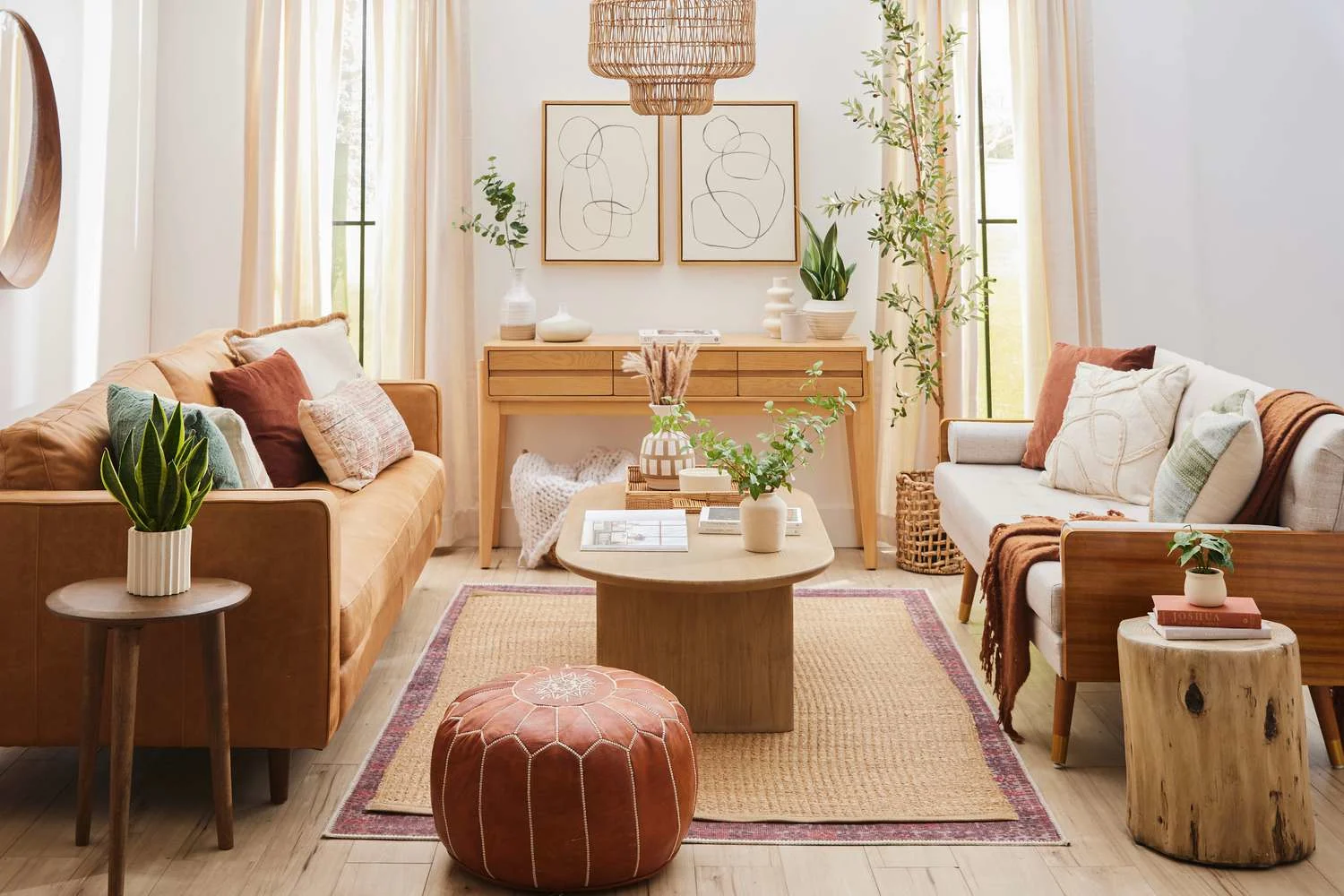
Furnishing a small living room can feel challenging. Limited square footage often makes it difficult to include everything you want without making the space feel crowded.
However, small spaces can still feel comfortable, stylish, and highly functional when the right furniture choices are made. The key is focusing on pieces that offer both practicality and visual balance.
In many homes, the living room serves as a place to relax, entertain guests, watch television, or even work occasionally. Because of this, furniture needs to support multiple activities without overwhelming the space.
If you’re looking for broader strategies for designing comfortable living spaces, our guide on living room decor ideas that actually work for everyday life explores how layout, furniture, and everyday functionality work together.
This guide focuses specifically on small living room furniture ideas that help maximize comfort while making the most of limited space.
Choose Furniture With the Right Scale
One of the most important principles when furnishing a small living room is selecting furniture with appropriate proportions.
Large or bulky pieces can quickly overwhelm a compact room and reduce the amount of usable space. Instead, furniture should feel proportional to the size of the room.
For example, a slim-profile sofa often works better than a deep, oversized sectional in smaller spaces. Compact armchairs or lightweight accent chairs may also provide comfortable seating without crowding the layout.
Low-profile furniture can also help make a room feel more open. When furniture sits closer to the ground and has cleaner lines, it allows more visual space to remain visible.
Maintaining balanced proportions helps the room feel organized rather than cramped.

small-living-room-with-slim-profile-sofa-and-balanced-furniture-proportions
Plan the Main Seating Area First
Before adding multiple pieces of furniture to a small living room, it helps to define the primary seating area.
This area usually revolves around the sofa or main seating piece and becomes the visual anchor of the entire room. By starting with the primary seating arrangement, it becomes easier to understand how much space remains for additional furniture.
In many small living rooms, placing the sofa first allows you to determine where side tables, accent chairs, and lighting should go.
The goal is to create a comfortable conversation area where seating pieces naturally face each other or share a common focal point. This focal point might be a coffee table, a fireplace, or a television.
When the main seating area is clearly defined, the rest of the furniture can support the layout instead of competing with it.
This approach also prevents one of the most common design mistakes in small spaces: adding too many pieces before understanding how the room actually functions.
Starting with the main seating arrangement ensures that comfort remains the priority.
small-living-room-seating-arrangement-with-sofa-and-chairs-creating-a-comfortable-conversation-area
Consider Multifunctional Furniture
In smaller homes, furniture that serves more than one purpose becomes extremely valuable.
Multifunctional pieces allow you to include necessary features without adding extra items that take up space.
Some examples of multifunctional living room furniture include:
-
storage ottomans that hold blankets or books
-
coffee tables with built-in drawers or shelves
-
nesting tables that expand when needed
-
sofas with hidden storage compartments
These pieces help reduce clutter while improving the functionality of the room.
If you’re interested in additional ideas for space-saving furniture, our guide on multifunctional furniture that actually works explores practical solutions designed specifically for compact homes.

multifunctional-furniture-in-small-living-room-with-storage-ottoman-and-compact-coffee-table.
Use Lightweight Seating Options
Heavy furniture can make a small room feel visually dense.
Lightweight seating options create a more flexible layout and make it easier to rearrange the space when needed.
Accent chairs, stools, or small benches can provide additional seating without overwhelming the room. Because these pieces are easier to move, they also allow the layout to adapt for different situations, such as entertaining guests.
In some small living rooms, replacing large armchairs with smaller accent chairs can instantly create a more open feeling.
Furniture that appears visually lighter helps maintain an airy atmosphere even when the room includes several seating options.

lightweight-accent-chairs-in-small-living-room-creating-an-open-and-flexible-layout.
Choose the Right Coffee Table
Coffee tables often become the center of the living room seating area, but in smaller rooms they need to be chosen carefully.
A table that is too large can block movement and make the space feel tight.
Instead, consider options such as:
-
round coffee tables that allow easier circulation
-
nesting tables that provide flexibility
-
slim rectangular tables with open bases
Glass or acrylic coffee tables can also create a lighter visual presence because they allow light to pass through them.
Maintaining clear walkways around the coffee table is important for keeping the room comfortable and easy to navigate.
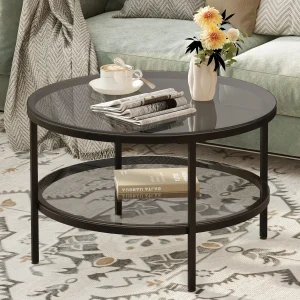
round-coffee-table-in-small-living-room-allowing-better-circulation-and-space-optimization
Make Use of Vertical Storage
When floor space is limited, vertical storage becomes extremely valuable.
Walls can support shelving, cabinets, and organizers that keep everyday items accessible without taking up valuable floor area.
Some useful vertical storage solutions include:
-
floating shelves
-
wall-mounted cabinets
-
tall narrow bookcases
-
pegboard organizers
Vertical storage allows the living room to remain functional while preserving open floor space.
This approach also helps reduce visual clutter by giving frequently used items a dedicated place.

vertical-storage-with-floating-shelves-in-small-living-room-maximizing-wall-space.
Select Sofas Designed for Small Spaces
Not all sofas are designed with compact living rooms in mind.
Many furniture brands now offer sofas specifically created for smaller spaces, often called apartment-size sofas or compact sofas.
These pieces typically feature:
-
shorter overall length
-
slimmer armrests
-
lower back profiles
-
lighter visual structure
These design elements help the sofa fit comfortably within a smaller layout while still providing enough seating.
Choosing the right sofa size often makes the biggest difference in how spacious the room feels.
Consider Modular or Sectional Solutions
Although large sectionals often feel too bulky for small living rooms, certain modular designs can actually work well in compact spaces.
Modular furniture allows individual pieces to be arranged in different configurations depending on the layout of the room.
For example, a small modular sofa might include:
-
a loveseat section
-
a movable chaise
-
a corner piece
Because these pieces can be rearranged, they offer flexibility that traditional sofas may not provide.
In smaller homes, this flexibility can be particularly valuable when the living room must accommodate different activities throughout the day.
Some modular sofas also allow certain sections to be removed or repositioned, making it easier to adjust the layout when needed.
When chosen carefully, modular seating can provide both comfort and adaptability without overwhelming the room.

Keep the Layout Open
Even the best furniture can make a room feel crowded if the layout is not carefully planned.
Maintaining open pathways allows people to move comfortably throughout the room.
Furniture should be arranged in a way that avoids blocking:
-
doorways
-
windows
-
natural walkways
Floating furniture slightly away from walls can sometimes improve the layout as well, especially if it helps define a clear seating area.
An open layout often makes a small living room feel larger than it actually is.
Use Furniture With Visible Legs
Furniture pieces with visible legs create a lighter appearance in small spaces.
When the floor remains visible beneath sofas, chairs, and tables, the room appears less dense and more open.
This design technique allows light to flow more freely through the space and helps maintain visual continuity across the floor.
Mid-century style furniture often works well in small rooms because it frequently features elevated legs and streamlined shapes.
Although it may seem like a small detail, furniture leg design can significantly influence how spacious a room feels.
Add Smart Storage Furniture
Storage is especially important in smaller homes where every piece of furniture needs to work efficiently.
Smart storage furniture allows everyday items to stay organized while maintaining a clean and calm appearance.
Some practical storage options include:
-
storage benches
-
media consoles with cabinets
-
coffee tables with hidden compartments
-
ottomans with removable lids
These pieces help reduce clutter without requiring additional storage furniture that takes up space.
Keeping surfaces clear also makes the room feel more visually relaxing.
Use Rugs to Define the Seating Area
In small living rooms, rugs play an important role in visually organizing the space.
A well-sized rug can define the seating area and make the furniture arrangement feel intentional rather than scattered.
Ideally, the rug should be large enough for at least the front legs of the sofa and chairs to rest on it. This helps create a cohesive seating zone and prevents the furniture from appearing disconnected.
Rugs can also introduce texture and warmth into the room, which makes the space feel more inviting.
Neutral rugs often work well in compact living rooms because they support the overall color palette without overpowering the space.
However, subtle patterns can also be effective when they add visual interest without making the room feel busy.
By grounding the furniture arrangement with a rug, the entire layout becomes more balanced and visually comfortable.

Choose Neutral or Light Colors
Furniture color can influence how large or small a room feels.
Lighter tones tend to reflect more light and help the space feel open and airy.
Neutral colors such as:
-
beige
-
light gray
-
soft white
-
warm taupe
often work well in smaller living rooms because they create a calm visual foundation.
This doesn’t mean the room must feel plain. Color can still be introduced through pillows, artwork, rugs, or decorative accents.
Using lighter tones for larger furniture pieces helps maintain a balanced and spacious appearance.
Avoid Overcrowding the Room
One of the most common mistakes in small living rooms is trying to include too many pieces of furniture.
While it may seem tempting to maximize seating or storage, overcrowding usually makes the space feel uncomfortable.
Instead, focus on selecting a few essential pieces that truly serve the room’s needs.
For most small living rooms, these core pieces include:
-
a comfortable sofa
-
one or two additional seating options
-
a coffee table or small table
-
lighting and minimal storage
Leaving some open space helps the room feel calm and inviting.
Create a Flexible Living Room
Small living rooms often benefit from flexible furniture arrangements.
Instead of rigid layouts, consider furniture that can easily be moved or adjusted depending on the situation.
For example, stools or poufs can serve as extra seating when guests visit but can be moved aside when more floor space is needed.
Nesting tables can expand when needed and tuck away afterward.
Flexible furniture allows the living room to adapt to everyday life without requiring constant redesign.
Think About Long-Term Flexibility
When furnishing a small living room, it is helpful to think beyond immediate needs and consider how the space may evolve over time.
Furniture that adapts to changing situations often becomes more valuable in compact homes.
For example, a small bench may function as extra seating, a place to set a tray, or even temporary storage. Likewise, poufs or stools can serve multiple purposes without permanently occupying space.
Choosing versatile pieces allows the room to remain functional even if lifestyle needs change.
Some households may eventually need space for remote work, additional storage, or different seating arrangements for guests.
Flexible furniture solutions make these adjustments easier without requiring a complete redesign of the room.
By thinking about adaptability from the beginning, small living rooms can remain practical and comfortable for many years.
Bloco pronto para colar
You May Also Enjoy Reading
Designing a comfortable living room often involves balancing furniture, layout, and everyday functionality. If you’re exploring more ideas to improve your space, these guides offer practical inspiration:
• If you want a broader perspective on layouts and styling choices, explore our guide on Living Room Ideas That Actually Work for Everyday Life, where we discuss how furniture, decor, and room flow work together in real homes.
• For spaces that need flexibility, our article on Multifunctional Furniture That Actually Works explains how smart furniture pieces can help maximize functionality without overcrowding a room.
Both articles expand on the strategies discussed here and can help you design a living room that feels comfortable, practical, and visually balanced.

FAQ: Small Living Room Furniture
What size sofa works best in a small living room?
In most small living rooms, a compact sofa between 72 and 84 inches works well. These sofas provide comfortable seating without overwhelming the room. Slim armrests and a lower profile can also help the sofa feel lighter within the space.
Choosing the right sofa size often makes the biggest difference in how spacious a small living room feels.
How do you arrange furniture in a small living room?
The best approach is to start with the main seating piece, usually the sofa, and build the layout around it. Furniture should be arranged to create a clear conversation area while maintaining open walkways for movement.
Keeping furniture slightly spaced apart instead of pushing everything against the walls can sometimes make the room feel larger.
What type of furniture is best for small living rooms?
Furniture designed for small spaces typically features compact proportions, lighter visual weight, and multifunctional design.
Examples include:
-
apartment-size sofas
-
nesting tables
-
storage ottomans
-
wall-mounted shelves
These pieces help maximize both comfort and functionality without crowding the room.
Can a sectional sofa work in a small living room?
Yes, some sectionals can work well in small living rooms, particularly compact L-shaped or modular designs.
A sectional can sometimes replace multiple seating pieces, which may actually simplify the layout and make the room feel more organized.
The key is choosing a sectional that fits the room proportions and does not block natural walkways.
Final Thoughts
Furnishing a small living room successfully is less about the number of furniture pieces and more about choosing the right ones.
By selecting appropriately scaled furniture, incorporating multifunctional pieces, and maintaining an open layout, even compact spaces can feel comfortable and welcoming.
Thoughtful furniture choices help maximize both comfort and usability while preventing the room from feeling crowded.
With the right balance of seating, storage, and visual simplicity, a small living room can become one of the most inviting spaces in the home.