
Short Summary
Small living room layout ideas work best when they prioritize circulation, flexible seating, and balanced proportions. In compact homes, thoughtful furniture placement and adaptable lighting allow the room to support everyday activities without feeling crowded. When layout decisions come before decoration, the space naturally becomes more comfortable, easier to maintain, and visually calm.
Key Takeaways
-
Prioritize circulation and movement before decorating.
-
Choose flexible seating that supports both conversation and relaxation.
-
Use vertical storage and layered lighting to expand functionality.
-
Select durable materials that simplify maintenance.
-
Keep surfaces purposeful and avoid overcrowding.
Practical Layout Ideas for Small Living Rooms
Small living room layout ideas only work when they respond to everyday routines. In compact homes, the living room often supports multiple functions throughout the day—conversation, relaxation, reading, remote work, and occasional gatherings.
Because space is limited, every design decision has a visible impact. Furniture placement, lighting, and storage must support daily movement without creating obstacles. A room may appear stylish in photographs but fail in practice if the layout makes circulation difficult or surfaces unusable.
Effective layouts reduce friction. Seating is arranged to support conversation, tables remain within reach, and lighting adapts to different moments of the day. Instead of filling every corner with decoration, thoughtful layouts maintain visual breathing room.
Over time, living rooms designed around usability remain comfortable and calm even during active daily use.
Why Layout Matters More in Small Living Rooms
In smaller spaces, layout influences comfort more than decoration. The arrangement of furniture determines whether the room feels open and welcoming or cramped and difficult to navigate.
Common layout issues include oversized furniture, blocked pathways, and tables placed too far from seating. These problems force people to constantly adjust their environment, moving objects or shifting furniture just to perform simple activities.
A well-planned layout prioritizes:
-
clear walking paths between seating and entryways
-
tables within comfortable reach of seating
-
balanced furniture proportions
-
unobstructed natural light
Maintaining circulation paths of approximately 30–36 inches allows people to move through the room comfortably. Even in compact apartments, this spacing helps prevent the space from feeling crowded.
When layout decisions come first, decoration becomes easier. The room already functions well, so styling elements simply reinforce an environment that is practical and comfortable.
Layout Examples That Work in Small Living Rooms
Different layouts can improve how a small living room functions depending on the shape of the space.
Corner Sofa Layout
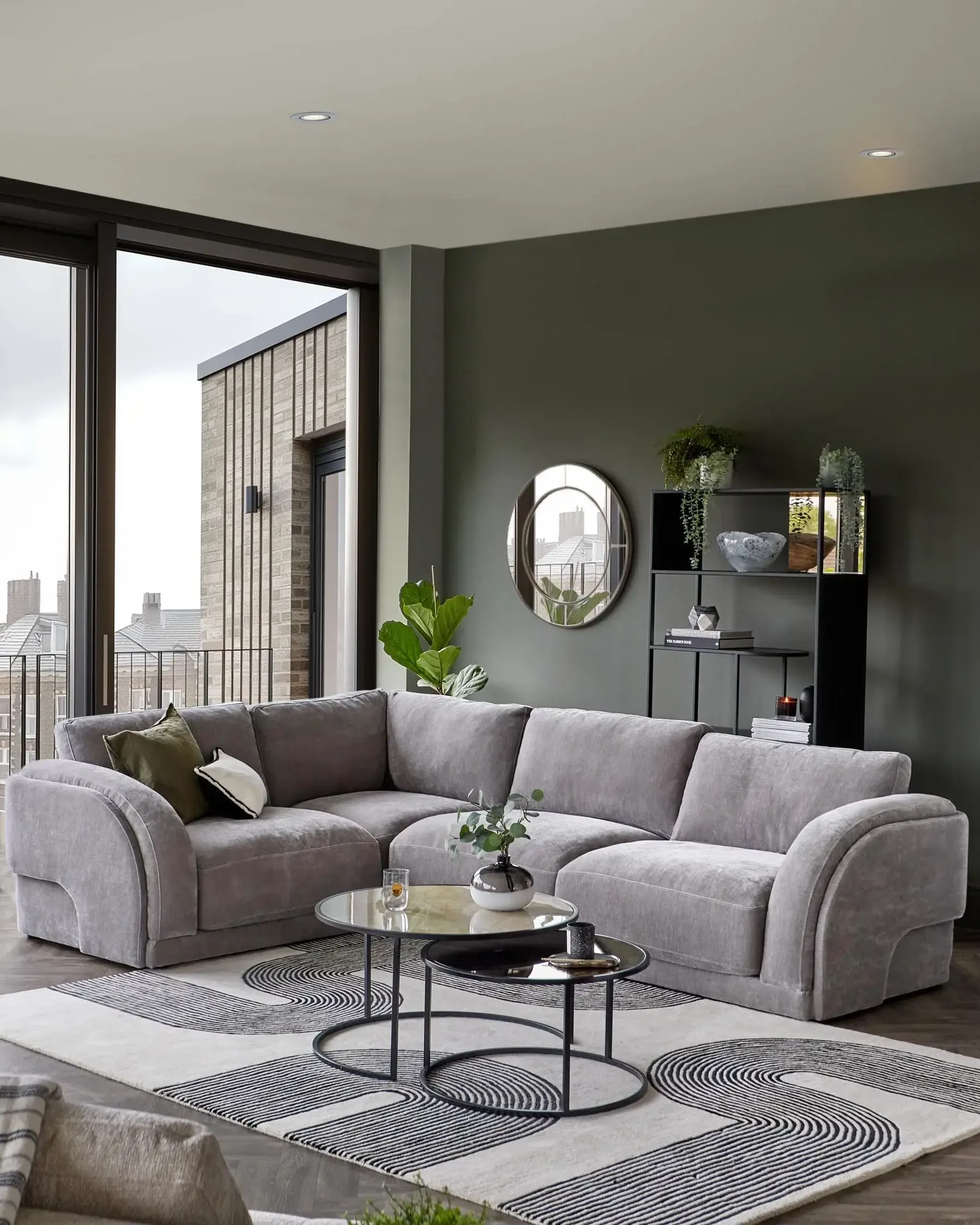
Placing a compact sectional sofa in a corner allows the room to maintain open circulation while maximizing seating. This arrangement works particularly well in rectangular rooms because it defines a conversation area without blocking walkways.
Floating Furniture Layout
Instead of pushing all furniture against the walls, floating the sofa slightly toward the center can create a more balanced arrangement. A narrow console behind the sofa can add storage without interrupting movement.
Two-Chair Layout
In very compact living rooms, replacing a large sofa with two comfortable chairs can improve flexibility. Chairs are easier to reposition and create a lighter visual presence, helping the room feel more spacious.
Decor Strategies Designed for Small Living Rooms
Small living rooms benefit from strategies that maintain openness without sacrificing comfort.
Instead of focusing on decorative trends, practical design choices create rooms that remain adaptable over time.
Use Furniture With Visible Legs
Furniture elevated on legs allows light and sightlines to pass underneath. Sofas, chairs, and cabinets that sit slightly above the floor create a sense of openness compared with bulky pieces that rest directly on the ground.
Choose Compact or Nesting Tables
Large coffee tables can dominate a small living room. Nesting tables or smaller round tables provide flexible surfaces that can be repositioned depending on the activity.
Install Wall Lighting
Wall-mounted lighting frees up valuable surface space. Plug-in sconces or swing-arm lamps provide focused light without occupying side tables.
Use Vertical Storage
Shelving, tall cabinets, or wall-mounted storage take advantage of vertical space. This approach maintains circulation on the floor while providing storage for books, devices, or decorative objects.
Together, these strategies allow small living rooms to remain functional without feeling overcrowded.
Seating That Supports Real Comfort
A small living room still needs seating that feels inviting. The goal is not to minimize comfort but to select pieces that match the scale of the space.
A balanced arrangement might include:
-
one compact sofa
-
one lightweight accent chair
-
a movable ottoman or pouf
This combination supports both conversation and relaxation while allowing furniture to be repositioned when needed.
Medium-depth sofas often work best in compact rooms. They provide comfortable seating without extending too far into circulation paths. Upholstery choices also matter. Durable fabrics such as performance textiles, microfiber, or linen blends resist wear and simplify maintenance.
Comfort remains the defining factor. If seating feels uncomfortable or restrictive, the living room will rarely be used regardless of how attractive it appears.
Layered Lighting Expands the Room’s Function
Lighting strongly influences how spacious a room feels. Relying on a single overhead fixture often creates harsh shadows and flat illumination.
Layered lighting solves this issue by combining multiple sources.
Ambient lighting provides general illumination through ceiling fixtures or recessed lights.
Task lighting supports focused activities such as reading or working on a laptop. Floor lamps and adjustable table lamps perform this role well.
Accent lighting adds softer illumination during the evening. Wall sconces, indirect lamps, or dimmable fixtures create a calm atmosphere.
In small living rooms, layered lighting allows the space to transition smoothly between different moments of the day. Morning light may feel bright and energizing, while evening lighting becomes softer and more relaxing.
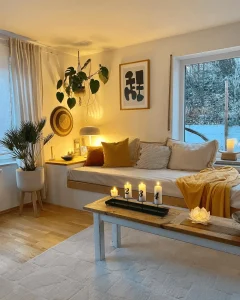
layered-lighting-with-lamps-creating-atmosphere-in-a-small-living-room
Choosing the Right Rug Size for a Small Living Room
Rug size strongly influences how balanced a small living room feels. A rug that is too small can break the visual unity of the seating area, while an oversized rug may overwhelm the space.
In most small living rooms, the rug should be large enough for at least the front legs of the sofa and chairs to rest on it. This anchors the seating arrangement and creates a defined conversation area.
Neutral or subtly patterned rugs tend to work best in compact spaces because they add texture without competing with furniture or wall colors.
Flat-weave or low-pile rugs are also easier to maintain in high-traffic areas, making them practical choices for everyday living.
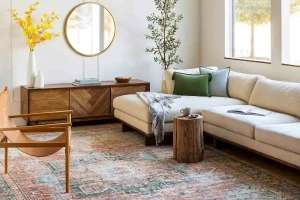
area-rug-anchoring-furniture-layout-in-a-small-living-room
Durable materials are essential in rooms that experience daily use. Furniture surfaces, upholstery, and textiles should tolerate frequent contact without quickly showing wear.
Performance fabrics and tightly woven textiles resist stains and abrasion. Wool rugs remain resilient under foot traffic while adding warmth and texture. Hardwood or engineered wood tables maintain stability and can often be refinished if necessary.
Stone or ceramic accessories provide additional durability. These materials resist scratches and are easy to clean, making them suitable for surfaces that support drinks or decorative objects.
Texture also contributes to the room’s atmosphere. Combining materials such as linen, wool, leather, and wood introduces visual depth without adding excessive decoration.
Thoughtful material choices ensure the living room remains comfortable and easy to maintain for many years.
Keeping Surfaces Functional and Balanced
In small living rooms, horizontal surfaces must remain usable. Coffee tables and side tables support daily activities—placing drinks, reading books, working on a laptop, or setting down remote controls.
When surfaces become overloaded with decorative objects, these everyday functions become difficult.
A practical guideline is to leave roughly one-third of each surface clear. This simple approach preserves usability while still allowing a few decorative elements such as a tray, small plant, or book stack.
Balanced surfaces contribute to visual calm and make cleaning significantly easier.
How to Keep a Small Living Room Visually Calm
Small living rooms can quickly feel crowded if decorative elements accumulate over time. Maintaining visual calm requires intentional restraint.
Instead of displaying many small decorative objects, focus on a few pieces with clear presence, such as a single artwork, a textured vase, or a small plant.
Grouping objects in trays or clusters also helps maintain order. This approach creates visual structure while preventing surfaces from appearing cluttered.
Another useful technique is limiting the number of colors used in accessories. When cushions, throws, and decorative items share similar tones, the room appears more cohesive and spacious.
Visual calm does not mean removing personality from the space. It simply ensures that decoration supports the overall balance of the room rather than overwhelming it.
Storage Solutions That Reduce Visual Clutter
Limited storage often leads to clutter in small living rooms. Without designated spaces for everyday objects, items gradually accumulate on tables and shelves.
Effective storage solutions include:
-
storage ottomans for blankets and small electronics
-
closed cabinets for media equipment
-
baskets for magazines or textiles
-
multifunctional furniture with hidden compartments
Closed storage is particularly helpful because it maintains a clean visual appearance even when the room contains many functional items.
By assigning each object a clear storage location, the room remains easier to maintain and visually balanced.
Common Mistake: Designing for Occasional Guests
One frequent mistake is designing the living room primarily for guests rather than daily use.
Formal seating arrangements may look elegant but discourage relaxed use. Decorative tables without functional purpose quickly collect clutter. Surfaces that require constant rearranging create unnecessary effort.
Instead, the room should reflect the needs of the people who use it most often.
Comfortable seating, accessible lighting, and flexible furniture arrangements support everyday routines while still allowing the room to accommodate visitors when necessary.
Everyday Life in a Well-Planned Small Living Room
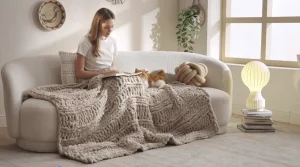
woman-relaxing-on-a-cozy-sofa-in-a-well-planned-small-living-room-decor-idea
A thoughtfully arranged living room adapts easily throughout the day.
Morning routines benefit from natural light and uncluttered surfaces that support coffee, reading, or brief work sessions. During the afternoon, flexible seating arrangements allow conversation or focused tasks.
In the evening, layered lighting and accessible textiles—such as blankets or cushions—create a comfortable environment for relaxation.
Because the layout already supports these transitions, the room rarely requires adjustment. Furniture remains in place, surfaces remain usable, and the space continues to feel calm even during active daily use.
Practical Checklist Before Redesigning a Small Living Room
Before changing the layout, it helps to evaluate the room carefully.
-
Measure circulation paths and maintain at least 30 inches of walking space.
-
Confirm that sofa depth suits everyday sitting and lounging.
-
Evaluate lighting and ensure multiple light sources are available.
-
Identify objects that lack a defined storage location.
-
Reduce decorative surface objects by roughly one-third.
-
Ensure furniture scale aligns with the room’s dimensions.
-
Keep at least one surface partially clear for daily activities.
These small adjustments often produce noticeable improvements in comfort and usability.
You may also enjoy reading
If you’re planning a small living room, these guides can help you improve comfort, layout, and functionality:
• Explore practical ideas in small living room decor that works in real homes.
• Learn how to maximize limited space in decorating small spaces without overcrowding.
• Discover adaptable solutions in multifunctional furniture that actually works.
• For apartment layouts, read apartment living room decor with practical choices.
Frequently Asked Questions About Small Living Room Decor
What layout works best for a small living room?
Layouts that prioritize circulation and flexible seating tend to work best. Compact sofas, movable chairs, and nesting tables allow the room to adapt without overcrowding the space.
How can you make a small living room feel larger?
Light neutral colors, elevated furniture with visible legs, mirrors that reflect natural light, and layered lighting can visually expand the space while maintaining comfort.
What furniture should be avoided in small living rooms?
Oversized sofas, bulky storage pieces, and large coffee tables can quickly overwhelm compact spaces. Choosing furniture scaled to the room ensures better movement and balance.
Editorial Conclusion
Small living room layout ideas succeed when design decisions focus on movement, comfort, and adaptability rather than decoration alone. Thoughtful furniture placement, layered lighting, and durable materials allow compact spaces to support everyday routines with minimal effort.
Over time, rooms designed around real use remain easier to maintain and more enjoyable to inhabit. When layout, materials, and storage work together, comfort becomes natural and the overall aesthetic emerges quietly from practical design choices.