
Short Summary:
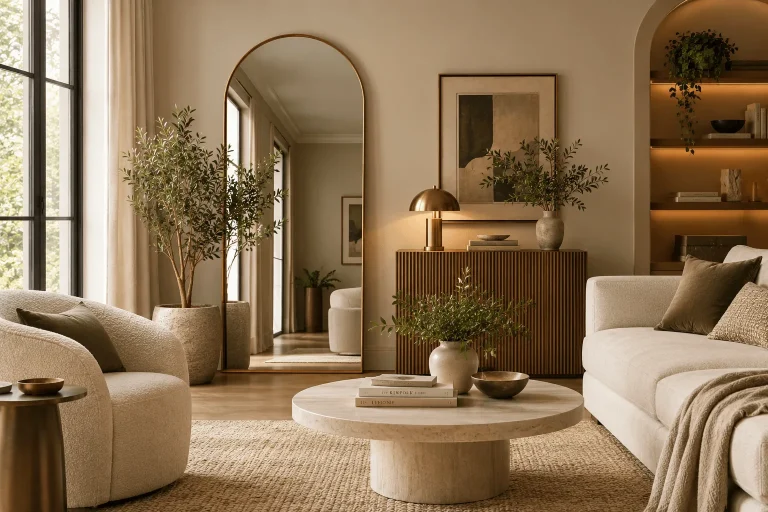
Explore living room decor ideas designed for real homes and everyday living. Discover functional layouts, balanced styling, and practical design solutions that create comfort without sacrificing style.
Key Takeaways:
-
Prioritize layout and circulation over decoration.
-
Choose seating, surfaces, and lighting for daily use.
-
Integrate storage, durable materials, and timeless colors.
Practical Living Room Decor Ideas for Everyday Life
Living room decor ideas only work if they respond to real routines. In most homes, this space supports conversation, relaxation, work, and small daily transitions.
In practice, the most effective ideas reduce friction. Furniture adapts easily, lighting shifts between moments, and surfaces remain usable without constant rearranging. Especially in compact homes, prioritizing flow and proportion over decoration density ensures the space remains visually calm and functional.
Over time, living room decor designed around usability continues to feel effortless, even during active daily use.
Why Some Living Room Decor Ideas Don’t Age Well
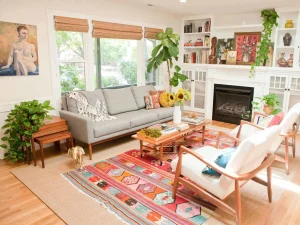
Many stylish rooms fail in everyday use because they focus solely on aesthetics. Oversized furniture, trend-heavy colors, or purely decorative layouts often require constant adjustment.
-
Rugs too small break visual continuity.
-
Sofas too deep or too shallow disrupt comfort.
-
Decorative tables that do not serve a functional purpose accumulate clutter.
Practical living room decor ideas emphasize proportion, durability, layered lighting, and storage, creating spaces that remain comfortable and visually balanced over time.
Prioritize Layout Before Decorating
A functional layout is the backbone of livable decor.
-
Clear circulation paths between seating, tables, and entryways.
-
Furniture arranged for conversation, not just symmetry.
-
Avoid pushing everything against the walls; scale pieces to the room.
In everyday life, circulation matters more than visual perfection. A well-planned layout reduces effort, supports natural movement, and allows the room to adapt as needs change.
Choose Seating That Supports Real Postures
A living room is only successful if people want to sit in it.
-
Medium-depth sofas support both upright conversation and casual lounging.
-
Durable fabrics, such as tightly woven performance textiles, age well.
-
Mix seating types: structured sofa, movable chair, ottoman or pouf.
-
Optional modular pieces provide adaptability for different social settings.
A beautiful but uncomfortable sofa diminishes the space. Comfort drives interaction, conversation, and long-term usability.
Material Considerations:
-
Upholstery: microfiber, linen blends, performance velvet.
-
Frames: kiln-dried hardwood for stability.
-
Cushions: high-resilience foam wrapped in feather/down for recovery and comfort.
For reference, the American Society for Testing and Materials provides durability classifications for upholstery and finishes: ASTM Standards.
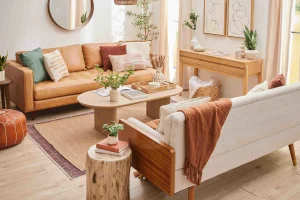
compact-sofa-layout-in-a-small-living-room-apartment
Choosing Materials and Textures That Last
When selecting materials for a living room, durability should come before trendiness. Everyday life exposes surfaces and upholstery to spills, abrasion, and frequent use. Sofas, chairs, and rugs made from tightly woven fabrics, leather, or performance textiles withstand wear while maintaining comfort.
Textiles aren’t only about durability—they also create visual depth and tactile interest. Combining smooth, soft, and textured finishes across furniture, cushions, and throws makes a room feel layered without clutter. For example, a velvet cushion paired with a linen throw introduces subtle contrast while remaining functional.
Wood is another material that ages gracefully in living rooms. Opt for solid or engineered hardwood with a finish that can be lightly refinished over time. Avoid veneers that are prone to chipping or fading in high-use areas. Even small details like side tables or media consoles benefit from quality materials, since these surfaces are touched daily.

Stone and ceramic finishes also contribute to practicality. Coffee tables, side tables, or decorative accessories made from stone or ceramic are easy to clean, resist scratches, and maintain a sophisticated appearance. They also offer a neutral backdrop that pairs well with textiles and wood elements.
Smart Combinations for Everyday Living
A functional living room combines materials thoughtfully. For example, pairing a leather sofa with a wool rug and wooden side tables creates a tactile yet practical environment. Each material serves a purpose: leather for easy cleaning, wool for softness underfoot, and wood for stability and warmth.
Metal accents, such as brass or matte black hardware, can provide visual contrast while remaining resilient. Lamps, shelving brackets, and drawer pulls benefit from finishes that tolerate daily handling without showing wear.
In smaller spaces, texture can replace additional decorative objects. Layering fabrics, finishes, and subtle patterns provides visual interest without overcrowding surfaces. This approach maintains a calm and livable aesthetic.
Materials and Maintenance
When choosing materials, consider maintenance. Upholstery that can be spot-cleaned, rugs that are vacuum-friendly, and hard surfaces that resist staining all reduce the effort needed to keep a room tidy. Practicality does not mean sacrificing beauty; instead, it ensures the space remains inviting even during busy days.
Durable materials allow for flexibility in use. A well-chosen fabric sofa can accommodate a quiet evening reading session, a casual work-from-home setup, or a small gathering. Similarly, a wooden coffee table with an easy-clean finish can host morning coffee, craft projects, or family board games.

neutral-color-palette-making-a-small-living-room-feel-brighter-and-larger
Longevity Through Material Choices
Over time, high-quality materials reduce the need for replacement and contribute to a space that feels stable and well-considered. When every choice, from upholstery to surfaces—accounts for wear, comfort, and cleaning, a living room naturally supports daily life.
Prioritizing material selection also simplifies decorating decisions. Once the foundation of durable, adaptable furniture and finishes is set, adding color, accessories, or seasonal accents becomes easier and less risky.
In practice, this means fewer surprises and a more reliable environment for everyday routines, reinforcing the living room as a space that is both functional and beautiful.
Keep Surfaces Purposeful, Not Overstyled
Horizontal surfaces reveal whether a room truly works.
-
Coffee tables and side tables must support real activities: drinks, laptops, books, or remote controls.
-
Proportion matters: tables slightly below seat height, within easy reach.
-
Leave 30–40% of surfaces clear for usability.
Intentional restraint makes the room easier to maintain. A space that feels balanced without excess is more welcoming and practical.
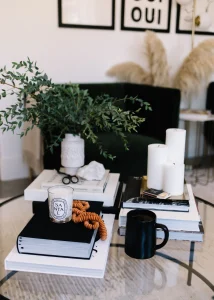
minimal-coffee-table-arrangement-with-tray-books-and-simple-decor
Use Lighting to Support Different Moments
Layered lighting adapts the room to morning, afternoon, and evening routines.
-
Ambient lighting: ceiling or recessed fixtures for overall illumination.
-
Task lighting: floor or table lamps for reading and focused activities.
-
Accent lighting: wall sconces, indirect lamps for evening calm.
-
Warm light tones in the evening encourage relaxation. During the day, allow natural light to flow freely.
For professional guidance, consult the Illuminating Engineering Society (IES) recommendations for residential lighting: IES Standards.
Build a Color Palette That Ages Well
Timeless color schemes support long-term comfort:
-
Base: warm neutrals (beige, soft gray, muted taupe).
-
Accents: pillows, throws, and small art pieces.
-
Avoid high-saturation furniture that locks the palette into trends.
-
Repeat tones subtly across the room for visual continuity.
A flexible color scheme allows seasonal updates and gradual changes without redesigning the entire room.
Integrate Storage That Preserves Calm
Effective storage keeps everyday objects out of sight but within reach:
-
Closed cabinetry instead of open shelves.
-
Storage ottomans and benches for blankets and devices.
-
Baskets for soft items or magazines.
-
Media storage integrated into design.
In apartments or open-plan homes, multifunctional storage reduces clutter and preserves visual balance.
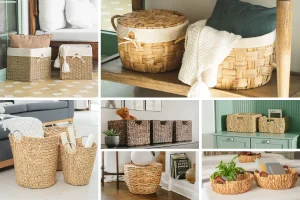
living-room-decor-ideas-with-hidden-storage
Common Mistake: Designing for Guests Instead of Daily Life
A frequent error is arranging the living room for occasional visitors rather than everyday use:
-
Formal seating discourages lounging.
-
Decorative tables do not serve daily functions.
-
Surfaces require constant rearranging.
Correction: Focus on those who use the space daily. Prioritize comfort, functionality, and flexibility.
Real-Home Transformation
Before: Mid-sized apartment with furniture against walls, a single overhead light, and cluttered surfaces.
Changes Implemented:
-
Pulled seating inward for conversation zones.
-
Added floor and table lamps for layered lighting.
-
Replaced a decorative bench with a storage ottoman.
Result: Easier circulation, calmer evenings, and simpler cleaning. Small layout shifts produce major functional improvements.
Living With the Space
-
Morning: Clear surfaces and natural light support coffee, devices, and reading.
-
Afternoon: Seating allows upright posture for work or conversation.
-
Evening: Layered lighting creates calm, blankets accessible but stored.
-
Cleaning & Maintenance: Proportional spacing and storage reduce dust accumulation and vacuuming effort.
Design supporting real routines sustains comfort long-term.
Practical Checklist Before Redesign
-
Measure walking paths (30–36 inches minimum).
-
Confirm sofa depth suits daily postures.
-
Evaluate lighting layers for multiple uses.
-
Identify objects without a defined home.
-
Reduce surface decor by one-third.
-
Ensure furniture scale matches room proportions.
-
Keep at least one surface partially clear.
You May Also Like
-
How to Decorate a Small Living Room Without Losing Comfort – Practical layout strategies for compact spaces.
-
Living Room Color Schemes That Age Well Over Time – Choosing tones that remain comfortable for years.
-
How Interior Choices Influence Everyday Quality of Life – Simple design decisions that quietly improve how your home feels and functions.
Editorial Conclusion
Living room decor ideas that truly work for everyday living prioritize function, circulation, lighting, and storage. Decoration is secondary.
Over time, spaces designed this way feel more balanced, require less adjustment, and support daily routines quietly and consistently. Comfort becomes effortless, and style emerges naturally from good design decisions.