

Daily meals often happen quickly, but the table still influences how a room feels and how people experience time together. An everyday table setting does not need to look formal to feel intentional. In many homes, the strongest arrangements are the ones that quietly improve routine without requiring extra effort every day.
A practical table often works best when each element has a purpose. Plates should feel comfortable to use, textiles should support maintenance, and decorative choices should remain simple enough to repeat without becoming inconvenient.
The goal is not to create a styled display reserved only for special occasions. It is to shape an environment that feels naturally complete during ordinary meals.
When everyday table styling becomes part of daily rhythm, even small details begin to influence comfort, mood, and visual balance.

Why Everyday Table Settings Should Feel Natural
A table used daily should never create unnecessary work. If every meal requires rebuilding layers, adjusting decorations, or removing fragile objects, the arrangement quickly becomes difficult to maintain.
This is why successful daily table setting ideas often begin with restraint.
A few stable elements usually create more consistency than many decorative additions. A simple placemat, a neutral plate, and one textile layer already establish enough structure for most meals.

Natural repetition also helps create visual calm.
When similar materials appear regularly, the table becomes familiar rather than staged. This familiarity supports ease, especially during breakfast, quick lunches, or evening meals when time is limited.
The strongest everyday place settings often feel effortless because they reduce decisions rather than add them.
Choosing Plates and Materials That Work Every Day
Durability matters more in daily use than occasional styling.
Stoneware often performs especially well because it combines visual softness with practical resistance. Slight texture helps meals feel less formal while still preserving elegance.

White or neutral plates remain versatile because they adapt easily to seasonal textiles, flowers, and different serving pieces without forcing visual change.
Subtle irregularities can also improve warmth.
A perfectly identical set sometimes feels rigid in casual environments, while handmade variation often creates more relaxed character.
For households that use the same table repeatedly throughout the day, practical table styling usually depends on pieces that tolerate frequent washing and stacking without visual fatigue.
Material choice should support repetition.
This is one reason many long lasting daily arrangements stay intentionally simple.
The Role of Textiles in Everyday Table Comfort
Textiles often determine whether a table feels complete.
Even one soft layer changes the perception of the dining area immediately. A placemat or runner creates visual grounding and separates each setting naturally.

linen-placemat-and-napkin-in-everyday-table-setting-
Linen blends are often practical because they soften with use and tolerate natural wrinkles without looking unfinished.
Cotton also works well for daily meals because maintenance remains simple.
The key is avoiding materials that require constant adjustment or ironing to remain attractive.
A casual dining table idea becomes stronger when textiles feel natural enough to belong there every day rather than only for planned occasions.
Small texture differences create more effect than bold patterns in most daily settings.
This is why many functional tables rely on muted woven surfaces instead of decorative prints.
Simple Layers That Add Character Without Excess
Layering does not require complexity.
A charger plate may be unnecessary daily, but combining a plate, napkin, and glass already introduces visual rhythm.
When layers remain light, the table still feels open.

simple-layered-everyday-table-setting-with-plate-napkin-and-glass
This matters because everyday meals often involve movement, serving dishes, and practical use that require free surface space.
An easy table setup usually respects available room first.
Character often appears through proportion rather than quantity.
A folded napkin placed naturally, a slightly textured plate, or a simple contrasting glass can change the entire perception without making the table feel prepared only for guests.
These details work best when they remain repeatable.
Daily styling should support habit rather than interrupt it.
Why Glassware Changes the Feeling of a Table
Glassware is often underestimated in daily table styling.

clear-glassware-used-in-everyday-table-setting.
Even when meals are simple, the choice of glass influences visual balance immediately.
Thin glass reflects light differently than heavier pieces and often creates more elegance without adding decoration.
Clear glass remains especially versatile because it supports all table colors and materials.
For daily meals, consistency matters more than variety.
Using the same family of glasses creates visual order, even when other elements change slightly.
This approach also helps tables feel composed with little effort.
Many dining table styling ideas improve simply by selecting glassware that feels intentional rather than random.
Because glasses occupy vertical space, they also help the table feel layered even when decorative objects are minimal.
Small Centerpieces That Do Not Disrupt Daily Use
Centerpieces for daily tables should remain low, practical, and easy to move.

simple-layered-everyday-table-setting-with-plate-napkin-and-glass
Height often creates inconvenience during meals.
A small ceramic bowl, a compact arrangement of branches, or one simple candle usually works better than elaborate floral structures.
The goal is visual continuity, not decoration for its own sake.
Objects that remain useful perform especially well.
Fruit bowls, small trays, or containers that can stay on the table without interrupting meals help preserve daily practicality.
This is one reason simple centerpieces often survive longer in real homes than formal decorative compositions.
They integrate naturally into routine.
Even a single branch in a narrow vase can create enough presence.
Everyday Table Settings Benefit from Visual Breathing Space
Many daily tables improve when not every area is filled.

minimal-table-setting-with-visible-surface-and-breathing-space-scaled
Empty space helps materials stand out and keeps the table easier to use.
This is especially important in smaller dining areas where visual density quickly feels heavy.
A practical table often leaves more visible surface than people expect.
The surface itself becomes part of the composition.
Wood tables, stone surfaces, or neutral finishes contribute directly to atmosphere when allowed to remain visible.
This is why minimal intervention often produces stronger daily results than over layered arrangements.
A table setting for daily meals should always leave room for movement, serving, and natural interaction.
Breathing space supports that function.
How Seasonal Adjustments Can Stay Simple
Daily tables do not need complete transformation each season.

seasonal-changes-in-everyday-table-setting-with-simple-elements
Often one change is enough.
A different textile tone, new flowers, or a subtle material shift already introduces seasonal identity.
This keeps maintenance realistic.
Spring may bring lighter fabrics.
Autumn may introduce warmer woven textures.
Winter may rely more on candlelight and deeper neutrals.
These small changes allow continuity without forcing reinvention.
Many everyday table decor systems remain successful precisely because their base remains stable while accents evolve slowly.
The table feels current without becoming dependent on frequent purchases.
That stability also strengthens visual identity inside the home.
Practical Warmth Often Matters More Than Formal Precision
A daily table should feel lived in.
Absolute symmetry is rarely necessary.
Slight irregularity often makes the table feel more welcoming because it reflects real use rather than controlled staging.
This applies especially to napkin placement, plate spacing, and center details.
A natural arrangement usually feels stronger than forced precision.
Functional table decor benefits when comfort leads decisions.
People tend to notice warmth before technical perfection.
This is why homes that feel inviting often rely on modest gestures repeated consistently rather than formal arrangements used only occasionally.
Warmth comes from rhythm, not complexity.
The best daily tables support that rhythm quietly.
Everyday Table Settings Can Still Feel Elevated
Practicality does not remove elegance.

simple-elegant-everyday-table-setting-with-minimal-details
In fact, elegance often becomes clearer when unnecessary elements are removed.
A single refined detail usually creates more effect than multiple decorative gestures competing together.
This may be silver flatware, a soft neutral textile, or one well chosen ceramic element.
When materials speak clearly, the table needs less intervention.
This principle explains why many elegant daily tables remain visually restrained.
They trust proportion, texture, and consistency.
Over time, these choices become easier to maintain because they rely on stable pieces rather than seasonal impulse.
An everyday arrangement becomes stronger when it can remain attractive without requiring constant redesign.
Why Repetition Often Creates the Most Successful Daily Table
One of the strongest qualities in an everyday table setting is consistency over time. When similar materials remain present across different meals, the table develops a visual identity that feels stable and familiar.
This does not mean every setting must look identical. Small variations often make repetition feel more natural, especially when they happen through subtle changes in textiles, seasonal elements, or serving pieces.
A table becomes easier to maintain when the core structure remains dependable.
For many homes, this means keeping the same plates, glasses, and basic linen choices in regular rotation while allowing one or two elements to change according to mood or occasion.
This approach reduces decision making and helps daily meals feel organized without requiring extra preparation.
Repetition also supports visual calm.
When objects already belong together, the table appears composed even before any decorative adjustment is added. The eye immediately understands proportion because familiar elements create rhythm across the surface.
This is particularly useful in open living spaces where the dining area remains visible throughout the day.
A stable table arrangement contributes to the larger atmosphere of the room even when no meal is taking place.
The same principle explains why many practical homes rely on restrained combinations rather than frequent changes.
Pieces chosen carefully at the beginning usually remain useful longer because they adapt to different seasons and occasions without losing relevance.
Over time, these repeated choices become part of the home’s natural language.
An everyday table does not need novelty every day. It benefits more from quiet coherence that supports routine while still allowing small gestures of individuality when desired.
That balance is often what makes daily dining feel both practical and visually satisfying.
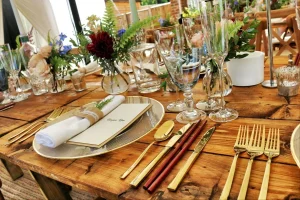
complete-everyday-table-setting-balanced-and-practical-for-daily-use
Everyday Table Settings Often Work Best When Practical Choices Lead the Design
Many everyday table setting ideas become easier to maintain when practical choices guide the arrangement from the beginning. A table that supports daily meals usually performs better when each object has a clear role and can remain in place without creating extra work.
This often means choosing materials that tolerate frequent use while still contributing visual softness to the room.
Simple plates, durable textiles, and stable glassware often create a stronger long term result than decorative pieces chosen only for occasional impact.
In many homes, practical table styling improves when layers remain light and adaptable. A neutral placemat, a comfortable napkin, and one central object often provide enough visual structure for breakfast, lunch, or dinner.
This type of easy table setup helps maintain order even when routines change during the week.
Daily dining table styling also benefits from flexibility.
The same base arrangement can support informal meals, family dinners, or small gatherings simply by adjusting one element such as seasonal greenery, folded linens, or serving pieces.
When these practical choices become part of routine, the table naturally feels complete without requiring constant redesign.
A successful everyday place setting usually depends less on decoration itself and more on how comfortably the table supports repeated use.
That balance between function and visual calm is what allows a daily table to remain attractive over time.
You May Also Like
Everyday table settings often become more refined when material choice, layering, and proportion are explored in different ways.
If you want to deepen this approach, these guides expand on how small adjustments can change the atmosphere of daily dining:
• How to Elevate Everyday Table Settings Using Stoneware and Silver Flatware how material selection can make simple meals feel more intentional
• Spring Table Setting Ideas for an Elegant Green and Yellow Palette a seasonal approach that keeps the table fresh without excess
• Rustic Italian Table Setting with Red and White Textiles how contrast and tradition create relaxed visual richness
• 3 Ways to Style a Gingham Placemat Table Setting for Everyday Dining how repetition and pattern can remain practical and balanced
For a more refined seasonal interpretation:
• Elegant Holiday Table Setting with Silver and Limoges Porcelain a softer approach to festive composition with restrained elegance
Together, these ideas show how everyday table styling can evolve while remaining practical, consistent, and easy to maintain.
Why Daily Use Always Reveals the Best Solutions
A table may look complete visually but still require adjustment after repeated use.
This is why real daily experience often defines which pieces remain and which disappear.
Certain textiles stay because they wash easily.
Certain glasses stay because they feel right every day.
Certain objects remain because they never interrupt meals.
These choices create long term consistency.
The strongest daily arrangements often emerge gradually.
They improve through observation more than through planning.
When the table responds well to routine, styling becomes lighter, easier, and more natural over time.
That is usually where everyday elegance truly begins.