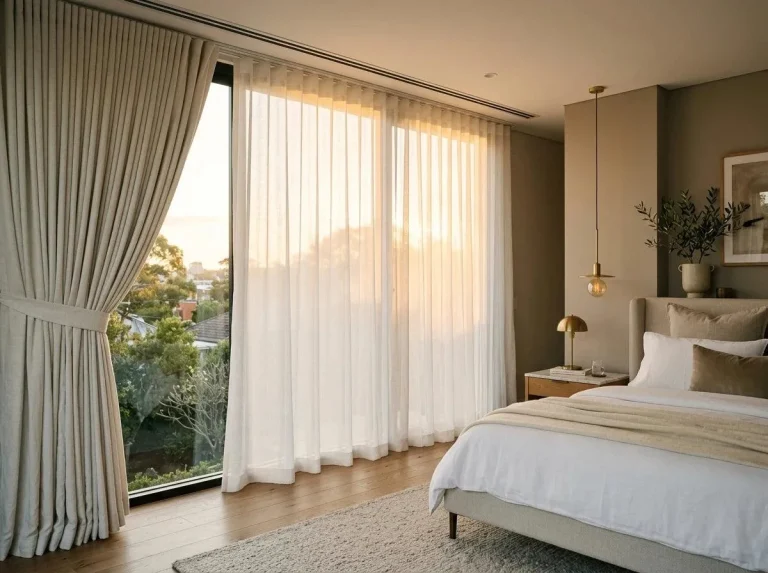

Interior trends at home influence far more than the way a space looks. They shape daily routines, improve comfort, and help create homes that adapt naturally to the way we live.
Some decorating ideas disappear almost as quickly as they appear, while others quietly become part of the way we live. Understanding the difference is what allows homeowners to create spaces that continue to feel comfortable and relevant for years.
- Not every interior trend deserves a place in your home.
- The best design choices improve everyday living long after a trend has faded.
The most successful homes are rarely built by following every new trend. Instead, they evolve through thoughtful decisions that improve comfort, functionality, and the way people experience their spaces every day.

What Are Interior Trends at Home?
Interior trends at home are often misunderstood as temporary fashions. In reality, many of them reflect larger changes in how people live, work, entertain, and interact with their homes.
As lifestyles evolve, so do the spaces designed to support them. The rise of home offices encouraged more flexible furniture. Growing environmental awareness increased interest in natural materials. Smaller urban homes inspired better storage solutions and multifunctional layouts.
The best trends do not exist simply to change appearances. They emerge because they solve practical problems while creating environments that feel more enjoyable to live in.
Recognizing this difference helps homeowners avoid expensive decorating decisions based purely on popularity.
Why Some Trends Last While Others Quickly Disappear
Every year introduces new colors, furniture styles, materials, and decorative accessories.
Some quickly dominate magazines and social media before disappearing just as fast.
Others remain relevant for decades.
The difference usually comes down to purpose.
A trend based solely on appearance often loses its appeal once something newer arrives.
A trend that improves comfort, organization, or flexibility continues providing value regardless of changing tastes.
Layered lighting remains popular because it creates better living environments.
Natural wood continues to be appreciated because it introduces warmth and character.
Organic furniture shapes improve circulation while softening architectural lines.
These ideas survive because they improve everyday life rather than simply following fashion.
[IMAGE — Contemporary living room with timeless furniture and natural materials]
Why Lifestyle Is Becoming More Important Than Style
One of the biggest shifts in modern decorating is the growing emphasis on lifestyle.
People no longer decorate only to impress visitors.
They decorate to support everyday routines.
A comfortable reading corner.
A dining table that encourages family meals.
Storage that reduces visual clutter.
Lighting that adapts from work to relaxation.
These improvements rarely appear dramatic in photographs, yet they have a significant impact on daily life.
Homes are becoming places that respond to real needs instead of acting as static displays.
This evolution explains why many recent interior trends focus less on decoration and more on usability.
How to Recognize Trends Worth Following
Before investing in any decorating trend, it helps to ask several practical questions.
Does it improve daily routines?
Will it simplify maintenance?
Can it adapt as your lifestyle changes?
Will it still feel appropriate in several years?
These questions immediately separate lasting ideas from temporary excitement.
For example, replacing poor lighting with layered lighting improves every activity that takes place in the room.
Adding hidden storage reduces clutter every single day.
Choosing durable upholstery simplifies maintenance for years.
These decisions continue creating value long after the original trend has faded.
Decision Moment
When evaluating a trend, choose the option that solves a problem rather than the one that simply attracts attention.
If a trend makes everyday living easier, it deserves consideration.
If it only changes appearance without improving function, it may not justify the investment.
Interior Trends That Continue to Improve Everyday Homes
Several decorating movements have consistently demonstrated their long-term value because they address practical living rather than temporary aesthetics.
Natural materials create warmth while aging beautifully.
Layered lighting allows rooms to adapt to different moments throughout the day.
Organic shapes soften interiors and improve circulation.
Flexible furniture supports changing family needs.
Hidden storage keeps spaces visually calm.
Warm neutral color palettes provide timeless backgrounds that accommodate seasonal updates without requiring complete redesigns.
Each of these trends has remained relevant because it responds to how people actually use their homes.
Rather than competing with one another, they often work together to create interiors that feel comfortable, balanced, and highly adaptable.
[IMAGE — Living room combining layered lighting, organic furniture and warm neutral colors]
The Difference Between Inspiration and Imitation
Social media has made beautiful interiors more accessible than ever before.
It has also encouraged many people to recreate entire rooms without considering whether those choices fit their own homes.
A room designed for a large open-plan house may not function well inside a compact apartment.
Furniture selected for occasional use may become impractical in busy family spaces.
Successful decorating begins with inspiration rather than imitation.
Observe what attracts you.
Is it the lighting?
The materials?
The furniture layout?
The color palette?
Understanding what you truly appreciate allows you to adapt ideas instead of copying them exactly.
This approach creates homes that feel personal rather than staged.
When It Is Better to Ignore a Trend
Not every popular idea deserves your investment.
Large statement furniture may reduce circulation in smaller rooms.
Highly specialized finishes can become difficult to maintain.
Strong colors may quickly dominate spaces that originally felt calm.
Some trends require significant financial commitment while providing very little practical improvement.
Before making expensive changes, ask whether the investment will continue improving your everyday life several years from now.
If the answer is uncertain, waiting is often the better decision.
Many of the most beautiful homes evolve gradually through careful choices instead of complete renovations driven by short-lived trends.
Balancing Personal Style With Current Trends
The most memorable homes are rarely the ones that follow every new trend. Instead, they reflect the personalities, routines, and priorities of the people who live there.
Current trends should act as inspiration rather than strict rules. They can introduce fresh ideas, encourage better organization, or inspire new combinations of materials, but they should never erase the character of a home.
For example, someone who appreciates traditional architecture does not need to replace classic furniture simply because minimalist interiors are popular. Instead, contemporary lighting, natural textiles, or organic accessories can refresh the room while preserving its original identity.
This balance creates interiors that feel authentic rather than temporary.
Over time, these spaces continue to evolve naturally because every new addition respects what already works.
Decision Guide: Should You Follow This Trend?
Before bringing any trend into your home, pause for a moment and evaluate its long-term value.
Ask yourself these practical questions:
- Does this improve everyday functionality?
- Will it still look appropriate in five years?
- Does it fit the architecture of my home?
- Is it comfortable as well as attractive?
- Will it reduce or increase maintenance?
- Does it solve a problem I actually have?
- Is it worth the financial investment?
If most of your answers are positive, the trend is probably responding to a genuine need rather than a passing fashion.
If several answers raise doubts, waiting may be the wiser decision.
Making decorating decisions slowly often leads to more satisfying homes than reacting quickly to every new trend.
Why Timeless Interiors Continue to Feel Modern
People often imagine that timeless interiors never change.
In reality, timeless homes evolve continuously.
The difference is that change happens gradually.
Instead of replacing every piece of furniture, homeowners update artwork, textiles, lighting, decorative objects, or plants.
The overall foundation remains stable while smaller details reflect changing preferences.
This gradual evolution keeps the home feeling current without requiring complete renovations every few years.
Natural materials, balanced proportions, comfortable furniture, and thoughtful lighting create a flexible foundation that accepts new influences while maintaining visual harmony.
This approach is often more economical, more sustainable, and far less stressful.
[IMAGE — Timeless contemporary living room with balanced furniture and natural materials]
Common Mistake and How to Avoid It
One of the most common decorating mistakes is copying an entire room without considering how it will function in a different home.
Magazine photographs and social media images capture a single moment under carefully controlled conditions.
Real homes are different.
Children play.
Pets move through rooms.
People work from home.
Families entertain guests.
Daily life introduces practical demands that staged interiors rarely show.
Instead of recreating an image exactly, identify the individual elements that genuinely improve the space.
Perhaps it is the furniture arrangement.
Perhaps it is the lighting strategy.
Perhaps it is the combination of natural materials.
By adapting ideas rather than copying them, homeowners create interiors that remain both beautiful and functional.
Living With the Space
The true success of a decorating decision becomes apparent months after it has been made.
Does the room still feel comfortable?
Is it easy to maintain?
Do family members naturally enjoy spending time there?
These questions matter far more than whether a room looks fashionable.
A well-designed interior quietly supports everyday routines.
Storage reduces clutter before it becomes stressful.
Comfortable seating encourages longer conversations.
Good lighting adapts to reading, working, entertaining, and relaxing.
Flexible furniture allows the room to evolve as family needs change.
These practical improvements often become invisible because they integrate so naturally into daily life.
That is exactly what successful interior design should accomplish.
Creating a Home That Evolves Naturally
Homes should never feel frozen in time.
As families grow, routines change, and personal tastes develop, interiors naturally evolve as well.
The goal is not to avoid change.
The goal is to choose changes that build upon existing strengths.
Adding a new reading chair.
Replacing outdated lighting.
Introducing organic shapes.
Updating textiles with richer textures.
These gradual improvements allow a home to remain fresh without losing its identity.
Rather than chasing every trend, homeowners create environments that continue growing alongside their lives.
This thoughtful approach usually produces interiors that remain satisfying for many years.
Practical Checklist
Before following any decorating trend, ask yourself:
✔ Does this improve my everyday routine?
✔ Will it make the room easier to use?
✔ Does it reduce maintenance?
✔ Will it work with furniture I already own?
✔ Does it suit the size of my home?
✔ Will I still enjoy this decision in five years?
✔ Am I improving my home or simply following fashion?
Conclusion
The best interior trends at home are not necessarily the newest ones. They are the ideas that continue improving comfort, functionality, and everyday living long after their initial popularity has passed.
Choosing natural materials, flexible furniture, layered lighting, organic shapes, and thoughtful layouts allows homeowners to build spaces that remain welcoming as lifestyles evolve. Rather than constantly redecorating, these decisions create a lasting foundation that can adapt through small updates over time.
Ultimately, the most successful homes are not those that perfectly reflect current trends. They are the ones that reflect the people who live in them while quietly supporting their routines every single day.
Take Away
Interior trends should inspire better decisions rather than dictate them.
When decorating choices improve comfort, simplify maintenance, support flexibility, and reflect the way people actually live, they remain valuable long after trends have changed.
A home that evolves thoughtfully will always feel more personal and more enduring than one designed solely to follow fashion.
Frequently Asked Questions
What are interior trends at home?
Interior trends at home are evolving design ideas that reflect changes in lifestyle, materials, technology, and the way people use their living spaces rather than simply following short-term fashion.
How do I know if a decorating trend is worth following?
A worthwhile trend improves everyday comfort, supports your routines, fits your home’s architecture, and continues making sense over the long term instead of offering only visual appeal.
Can timeless interiors include current trends?
Yes. Timeless interiors often incorporate contemporary ideas, but they do so selectively, choosing trends that add lasting value rather than temporary excitement.
Which interior trends improve everyday living?
Natural materials, layered lighting, flexible furniture, organic shapes, hidden storage, and warm neutral palettes consistently improve comfort, organization, and functionality.
How often should I update my home décor?
Most homes benefit from gradual updates rather than complete redesigns. Refreshing accessories, lighting, textiles, or artwork every few years allows interiors to evolve naturally while preserving a timeless foundation.
You May Also Enjoy Reading
If you enjoy timeless interiors, practical decorating ideas, and homes designed for everyday comfort, these related articles explore complementary concepts that will help you make more confident design decisions.
Contemporary Interior Design Principles
Contemporary Interior Design Principles and discover how balanced proportions, thoughtful layouts, and timeless materials create interiors that remain comfortable and relevant for years.
Curved Furniture Guide
Curved Furniture Guide to explore how rounded furniture softens visual lines, improves circulation, and creates living spaces that feel warmer and more inviting.
Interior Design Trends That Last
Interior Design Trends That Last to discover which decorating ideas continue adding value over time and how to distinguish lasting design principles from short-lived trends.