
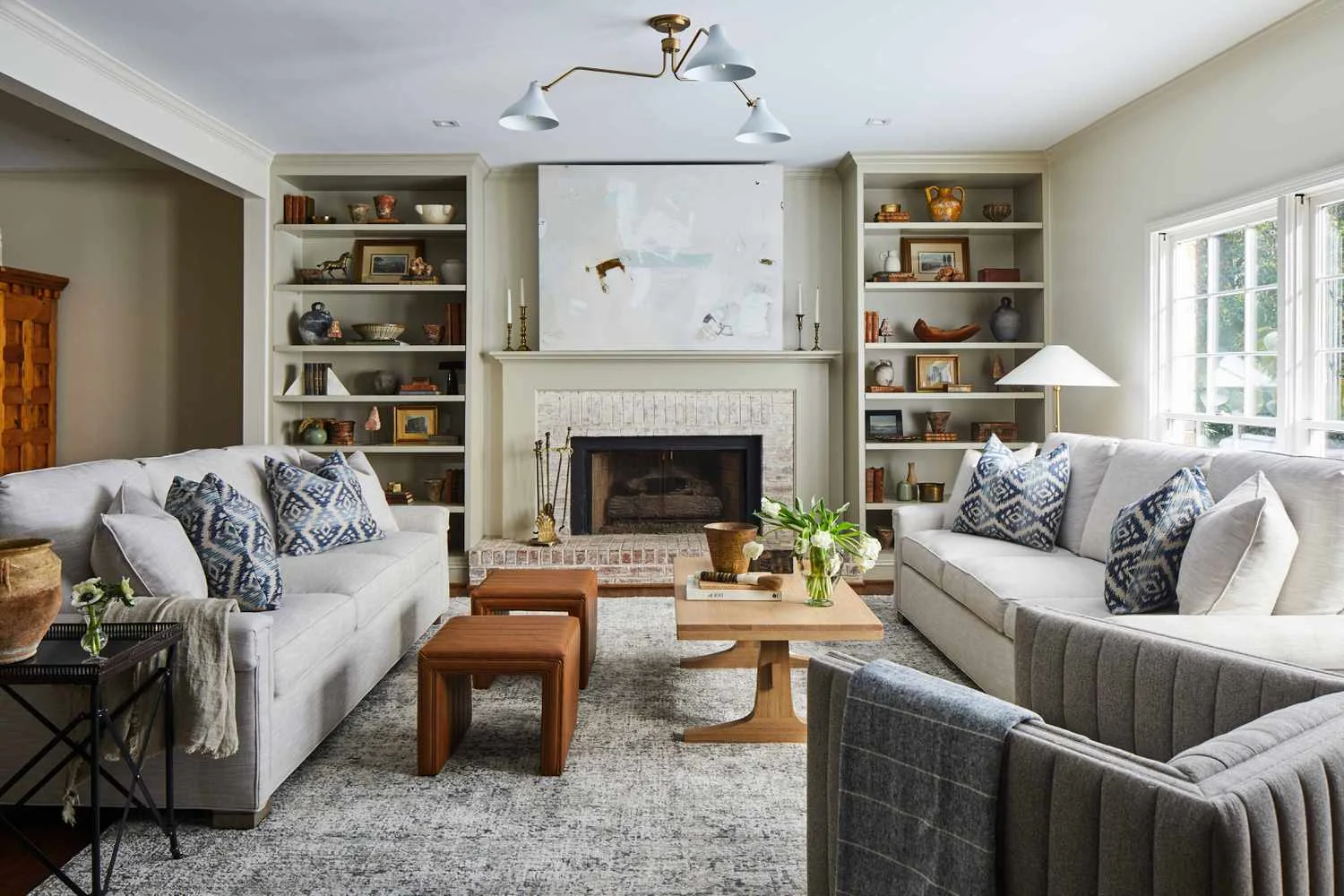
Introduction
Choosing furniture for a living room can feel overwhelming. With so many styles, sizes, and materials available, it’s easy to focus on aesthetics while overlooking what truly makes a space comfortable and functional.
In reality, the best living room furniture choices are guided by how the room is used in everyday life. A thoughtful approach helps create a space that feels welcoming, balanced, and practical for both relaxation and social gatherings.
If you’re designing or updating your living room, it’s helpful to first understand how furniture contributes to the overall environment. Our guide on living room decor ideas that actually work for everyday life explores how layout, comfort, and function work together to create spaces that support daily living.
This living room furniture guide will walk through the key principles that help you choose pieces that fit your space, match your lifestyle, and remain practical for years to come.
Start by Understanding the Purpose of the Room
Before selecting individual pieces, it’s important to consider how the living room will actually be used.
Some living rooms function primarily as social gathering spaces where family and friends spend time together. Others serve as quiet places for relaxation, reading, or watching television.
In many homes, the living room may even serve multiple purposes throughout the day.
Understanding the primary activities that take place in the room helps determine the types of furniture that are truly necessary.
For example, a living room used for conversation might prioritize comfortable seating arranged around a central table. Meanwhile, a space designed mainly for entertainment may focus on furniture that supports viewing screens comfortably.
When furniture choices align with the way the room is used, the space feels far more natural and enjoyable.
Measure the Room Before Buying Anything
One of the most common mistakes when choosing furniture is skipping the measurement step.
A sofa or coffee table may look perfect in a showroom but feel overwhelming once placed inside a smaller living room.
Before purchasing any furniture, measure the room carefully and take note of:
-
the overall length and width of the space
-
doorways and walkways
-
window placement
-
existing architectural features
Sketching a simple floor plan can also help visualize how different pieces might fit together.
Taking accurate measurements ensures that furniture fits comfortably while still leaving enough space for movement.
Proper spacing improves both the functionality and visual balance of the room.

measuring-living-room-space-before-choosing-furniture
Choose a Comfortable and Appropriately Sized Sofa
The sofa is usually the central piece of furniture in a living room.
Because it often serves as the main seating area, it should provide both comfort and appropriate scale for the room.
When choosing a sofa, consider the following factors:
-
seat depth and cushion firmness
-
overall length relative to the room size
-
fabric durability
-
armrest height
In smaller spaces, compact sofas or loveseats may work better than oversized sectionals.
Larger living rooms may benefit from sectionals that help define the seating area.
The key is selecting a piece that feels comfortable while maintaining proportion with the rest of the furniture.
Our guide on what really matters when choosing living room furniture explores additional considerations that can help you evaluate different sofa options.
comfortable-living-room-sofa-as-central-furniture-piece.
Add Complementary Seating
While the sofa is often the focal seating element, additional seating helps make the living room more flexible and welcoming.
Complementary seating can include:
-
accent chairs
-
armchairs
-
small benches
-
poufs or ottomans
These pieces allow guests to sit comfortably while also helping balance the layout of the room.
Accent chairs are especially useful because they can introduce visual contrast without overwhelming the space.
Lightweight seating options also make it easier to rearrange the layout when needed.
Adding a variety of seating types creates a more dynamic and adaptable living room environment.

living room seating area with sofa and accent chairs
Select a Functional Coffee Table
A coffee table plays an important role in the living room by providing both practical surface space and visual structure.
Ideally, the coffee table should be positioned within comfortable reach of the seating area.
A good guideline is to leave approximately 40–45 centimeters between the coffee table and surrounding seating.
This distance allows people to move easily while still keeping drinks, books, and decorative objects accessible.
When choosing a coffee table, consider:
-
size relative to the sofa
-
height in comparison to seat cushions
-
storage features
-
material durability
In smaller living rooms, round coffee tables or nesting tables may improve circulation while maintaining functionality.
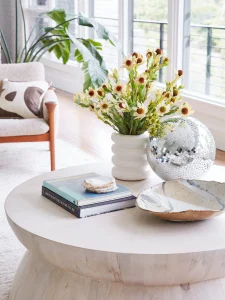
living-room-coffee-table-placed-between-seating-pieces-
Think About Storage Solutions
Living rooms often accumulate everyday items such as books, remote controls, blankets, and electronics.
Without proper storage, these items can quickly create visual clutter.
Furniture that includes built-in storage can help maintain a calm and organized space.
Some practical storage-friendly options include:
-
coffee tables with drawers
-
ottomans with hidden compartments
-
console tables with shelves
-
cabinets or media units
These pieces allow everyday objects to remain accessible without disrupting the overall appearance of the room.
For additional ideas on organizing furniture and storage effectively, our guide on functional storage ideas for modern homes explores practical solutions that keep living spaces tidy.
Pay Attention to Furniture Proportion
Proportion plays a major role in how a living room feels.
Even beautiful furniture can appear awkward if its scale does not match the size of the room.
For example:
-
oversized sofas can dominate smaller rooms
-
very small tables may feel insignificant in larger spaces
-
bulky chairs may block walkways
Maintaining balanced proportions between furniture pieces helps create a harmonious layout.
A large sofa may be balanced with lighter accent chairs, while a substantial coffee table can anchor a larger seating arrangement.
Visual balance ensures the room feels comfortable rather than crowded or empty.
Consider Materials and Durability
Living room furniture experiences frequent daily use, so durability should be a major factor in the selection process.
Different materials offer different advantages depending on the household.
For example:
Fabric upholstery is often comfortable and available in many colors and textures.
Leather or faux leather options may provide easier maintenance in homes with children or pets.
Wood furniture adds warmth and timeless character, while metal or glass pieces can introduce a lighter and more modern feel.
Choosing durable materials helps ensure the furniture maintains its appearance and functionality over time.
Create a Balanced Layout
Once the main furniture pieces have been selected, arranging them thoughtfully is essential.
A balanced layout improves both comfort and visual harmony.
Furniture should be arranged in a way that:
-
supports conversation
-
maintains clear walkways
-
avoids blocking natural light
-
keeps the focal point visible
Many living rooms benefit from seating arranged around a central point such as a coffee table, fireplace, or television.
Thoughtful arrangement allows the room to feel organized while still maintaining a relaxed atmosphere.
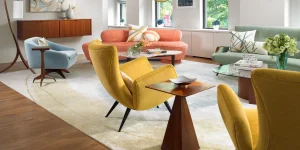
balanced-living-room-furniture-arrangement-with-sofa-chairs-and-rug
Use Accent Pieces to Complete the Room
After the essential furniture pieces are in place, smaller accent elements help bring the room together.
These pieces may include:
-
side tables
-
floor lamps
-
decorative stools
-
small shelving units
Accent furniture adds layers of function while also contributing to the overall style of the space.
Side tables, for example, provide convenient surfaces beside seating areas while also helping visually frame the layout.
Choosing a few well-placed accent pieces can significantly improve both comfort and usability.
Avoid Overfilling the Room
A common mistake when choosing living room furniture is trying to include too many pieces.
While each item may seem useful individually, overcrowding can make the room feel chaotic and uncomfortable.
Instead of filling every available corner, focus on selecting furniture that serves a clear purpose.
Leaving some open space between pieces improves movement and helps the room feel calm and balanced.
Minimal but thoughtful furniture arrangements often feel more inviting than rooms packed with unnecessary items.
Adapt Furniture Choices to Changing Needs
Households and lifestyles naturally evolve over time.
A living room that once served primarily for entertaining may later become a quiet relaxation space or a family gathering area.
Choosing adaptable furniture helps the room remain functional as these needs change.
For example:
-
modular seating can be rearranged easily
-
lightweight chairs can be moved to different areas
-
versatile tables can serve multiple purposes
Flexible furniture arrangements allow the living room to adapt without requiring a complete redesign.
How to Choose the Right Side Tables
Side tables may seem like small additions, but they play a major role in making a living room comfortable and functional.
A well-placed side table allows people to easily place drinks, books, or small decorative items without needing to reach across the room. Ideally, side tables should sit close enough to seating areas so they are easy to access.
When choosing side tables, consider their height relative to the sofa or chairs beside them. In most cases, the tabletop should sit roughly at the same height as the armrest of the nearby seating.
Materials can also influence how side tables contribute to the room’s overall design. Wooden tables add warmth and timeless appeal, while glass or metal designs can create a lighter visual effect in smaller spaces.
Round side tables often work well in tighter layouts because they allow easier movement around furniture. Meanwhile, square or rectangular tables can provide more surface space for lamps and decorative objects.
Although they are smaller than other furniture pieces, thoughtfully chosen side tables help complete the layout and improve everyday usability.
The Role of Lighting in Furniture Planning
Lighting and furniture should always be planned together.
A common mistake in living room design is arranging furniture without considering how lighting will interact with the space. When seating areas lack adequate lighting, the room may feel less comfortable for activities such as reading or conversation.
Table lamps and floor lamps are often the easiest ways to improve lighting near seating areas. Placing a floor lamp beside a sofa or accent chair can instantly create a cozy reading corner.
Lighting can also help visually anchor different parts of the room. For example, a pair of table lamps on side tables may help frame a sofa and create a sense of balance in the layout.
In addition to functionality, lighting contributes to the atmosphere of the space. Soft, layered lighting often makes a living room feel warmer and more inviting than relying on a single overhead light source.
By considering lighting alongside furniture placement, the living room becomes both more practical and more comfortable.
Choosing Furniture That Supports Everyday Comfort
Comfort should always remain one of the most important priorities when selecting living room furniture.
While visual style plays a role in creating an appealing space, furniture that feels uncomfortable quickly loses its value in everyday use.
Testing seating depth, cushion firmness, and back support can help ensure that sofas and chairs provide the level of comfort needed for long periods of use.
Some households may prefer deeper sofas that encourage lounging, while others might prefer firmer seating that provides better posture and support.
Armrest height, cushion materials, and upholstery fabrics also influence the comfort level of furniture.
Durable and breathable fabrics often perform well in living rooms because they remain comfortable throughout different seasons.
By focusing on comfort first and aesthetics second, it becomes easier to create a living room that people genuinely enjoy spending time in.

Creating a Living Room That Feels Balanced
A well-furnished living room should feel visually balanced rather than crowded or empty.
Balance can be achieved by distributing furniture weight evenly throughout the space. For instance, a large sofa might be balanced by two lighter accent chairs or a combination of smaller seating pieces.
Spacing between furniture items also plays an important role. Leaving room for movement allows the layout to feel more relaxed and welcoming.
Decorative elements such as lamps, rugs, and artwork can also help reinforce the sense of balance created by furniture placement.
Rather than focusing only on filling space, the goal should be creating a room where every piece feels intentionally placed.
When furniture is arranged with balance in mind, the living room naturally feels more harmonious and comfortable.
You May Also Enjoy Reading
Furniture choices often affect how easily a room layout works because room layout decisions often become easier when furniture proportions are clear
Color also changes how furniture feels inside a room because balanced palettes help large pieces feel visually lighter
A room often feels calmer when fewer pieces compete visually because visual calm usually begins when unnecessary elements disappear
Final Thoughts
Choosing furniture for a living room involves more than selecting attractive pieces. The most successful spaces combine comfort, functionality, and thoughtful proportions to support everyday living.
By considering the purpose of the room, measuring the available space, and selecting durable and well-scaled furniture, it becomes much easier to create a balanced and welcoming environment.
A carefully chosen sofa, supportive seating, practical tables, and smart storage solutions can transform the living room into a place where people naturally gather and relax.
When furniture choices reflect both the size of the room and the lifestyle of the household, the living room becomes not only visually appealing but also truly comfortable to live in.