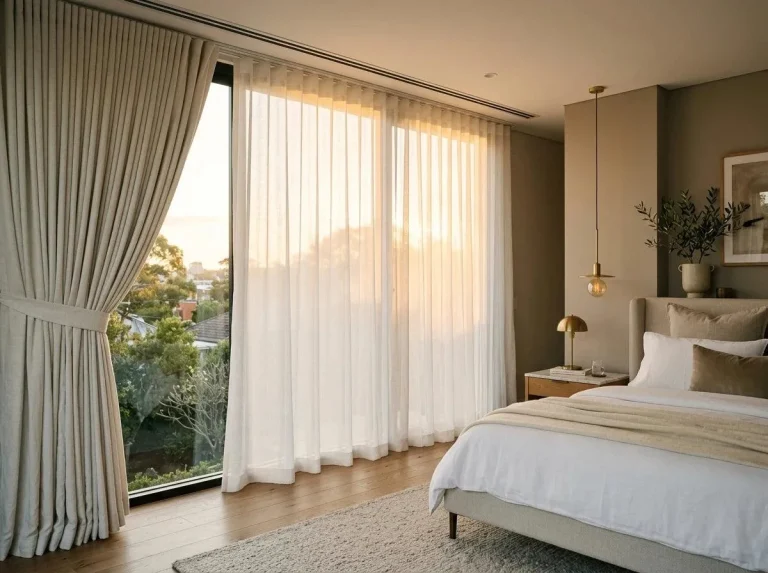
Practical minimalism helps real homes feel lighter, easier to maintain, and more comfortable in everyday life. In real homes, minimalism rarely succeeds through strict reduction alone. It becomes effective when daily routines feel supported by fewer distractions, fewer unnecessary objects, and clearer visual decisions.
Many people associate minimalism with aesthetic restraint, but practical comfort usually depends more on how naturally a space functions. When a room contains only what is consistently useful, calm often appears without effort.
Over time, practical minimalism becomes less about style and more about creating spaces that remain easy to live in every day.
Why Practical Minimalism Feels Different From Decorative Minimalism
Minimalism often appears simple from a visual perspective, but in practice, it only works when the home still supports ordinary life.
A room may look clean and restrained, yet feel difficult if essential objects are constantly missing, surfaces become impractical, or daily habits require unnecessary effort. Practical minimalism avoids this problem by keeping function visible.
The goal is not to remove until very little remains. The goal is to keep what continues to serve daily routines without creating visual fatigue.
This creates a home that feels lighter without becoming rigid.
Fewer Visible Choices Often Make a Home Easier to Use
Many homes feel mentally heavy because too many objects compete for attention at the same time.
Shelves filled without intention, surfaces carrying unrelated items, and furniture placed without clear hierarchy often create subtle visual pressure. Even when nothing appears overtly disordered, the eye still processes constant interruption.
Practical minimalism reduces this by limiting what remains visible.
A room with fewer competing elements often becomes easier to understand immediately. Movement feels clearer, attention settles faster, and the environment asks less from the mind.
This is one reason why visual simplicity often improves comfort even before any decorative change is noticed consciously.
Practical Minimalism Depends on What Stays, Not Only on What Leaves
Minimalism becomes sustainable when decisions focus on what deserves permanence.
Instead of asking what to remove first, it often helps to ask which elements continue to support everyday life naturally. A chair used daily, a lamp that improves evening comfort, or a table that receives repeated use usually deserves its place.
The problem begins when objects remain without function, rhythm, or meaning.
Practical minimalism does not require empty rooms. It requires clarity.
That clarity often comes from allowing fewer items to define each space more intentionally.
Visual Calm Often Comes From Functional Restraint
Visual calm rarely depends on decoration alone.
It often begins when furniture spacing improves, surfaces stop carrying excess, and objects begin to relate more clearly to one another.
A room with fewer interruptions allows the eye to rest more naturally. Even neutral colors feel stronger when visual noise decreases.
This is why practical minimalism often works better through restraint than through decorative replacement.
Instead of adding new pieces, many homes improve simply by reducing what divides visual attention.
Real Homes Need Flexibility More Than Perfection
One of the biggest mistakes in minimalism is treating the home like a static image.
Real homes change throughout the day. Objects move, routines shift, and different activities share the same space. Practical minimalism accepts this movement instead of resisting it.
A dining table may also support work. A side chair may move between rooms. A surface may serve different purposes depending on time of day.
This flexibility is not a failure of minimalism. It is part of real domestic life.
A useful home often feels calmer than a perfect one because it supports adaptation without visual overload.
Everyday Comfort Often Improves When Objects Have Clear Roles
Homes become easier to manage when each visible element has an understandable role.
A basket placed near a sofa, a tray used consistently on one surface, or a lamp positioned exactly where evening light is needed creates practical order without demanding strict systems.
This is different from decorative minimalism because the focus remains on repeated usefulness.
When objects belong naturally to daily routines, they rarely feel excessive.
The home begins to function with less friction.
Why Empty Space Also Has Practical Value
Many people think empty space exists only for aesthetic reasons, but it also has practical importance.
A clear section of wall, an open area on a surface, or distance between furniture pieces allows movement and perception to stay comfortable.
When every area is visually occupied, the room often feels smaller than it actually is.
Practical minimalism uses empty space as part of function. It allows the room to breathe and makes daily use feel easier.
This is especially important in homes where several activities happen in the same room.
Practical Minimalism Works Better When Maintenance Feels Easy
A home rarely stays calm if maintenance constantly feels difficult.
Too many exposed objects often create repeated small tasks, even when they look visually appealing at first. Dusting, rearranging, moving items, and cleaning around unnecessary pieces gradually increase effort.
Practical minimalism reduces this hidden maintenance load.
When fewer objects remain visible, ordinary upkeep becomes simpler, and calm lasts longer because effort stays manageable.
This often matters more than visual style itself.
Why Practical Minimalism Often Feels Emotionally Lighter
The emotional effect of practical minimalism usually appears slowly.
A lighter room often reduces subtle pressure because fewer visual interruptions compete for attention. The environment becomes easier to process, which often creates a quieter mental response.
This does not happen because minimalism is inherently superior. It happens because the space begins to ask less from daily attention.
In many homes, emotional comfort increases when visual demands decrease.
That is why practical minimalism often feels supportive over time rather than immediately dramatic.
Small Reductions Often Create Better Results Than Full Reinvention
Many people expect minimalism to require major transformation, but small reductions usually create stronger long-term results.
Removing one unnecessary chair, clearing one surface, reducing one shelf, or allowing one area to remain intentionally open often changes the room more than large decorative replacement.
Small decisions also last because they do not create resistance.
The home adjusts gradually, and comfort becomes part of daily experience rather than an imposed style.
Why Practical Minimalism Often Improves Decision Making at Home
One of the less visible advantages of practical minimalism is how it reduces small decisions throughout the day. When too many objects share the same space, simple actions often require more attention than expected. Choosing where to place something, deciding what to move, or visually processing crowded surfaces creates constant micro interruptions.
A simpler environment reduces this friction because fewer elements compete for immediate attention. The home begins to respond more clearly to ordinary use.
This often becomes noticeable in rooms used many times during the day, where repeated visual clarity helps routines feel smoother without conscious effort.
Over time, practical minimalism supports not only visual calm but also mental continuity inside domestic life.
Why Practical Minimalism Feels More Sustainable Over Time
Many decorative changes create strong first impressions but lose impact after a few months because they depend on novelty.
Practical minimalism usually behaves differently because its benefits remain linked to use rather than visual surprise. A room that stays easy to clean, easy to move through, and easy to understand continues to feel valuable long after the initial adjustment.
This is one reason why many homes gradually move toward simpler arrangements even without formal redesign.
People often keep what repeatedly makes life easier and remove what creates unnecessary interruption.
In this sense, practical minimalism becomes less a design choice and more a long term domestic preference.
Practical Minimalism Often Lasts Because It Respects Real Life
Minimalism only remains useful when it respects the fact that homes are lived in continuously.
Objects that support meals, reading, work, rest, and daily transitions should not disappear simply to preserve appearance. What matters is whether the home continues to feel light while still serving ordinary needs.
This balance explains why practical minimalism lasts longer in real homes than strict visual reduction.
A space becomes more durable when simplicity and use remain connected.
Practical Notes for Applying Minimalism Naturally
Practical minimalism usually works better when changes happen gradually. Removing visual excess from one surface, improving furniture spacing, or redefining which objects remain visible often creates stronger results than trying to transform an entire room at once.
In many homes, visual calm appears when practical use becomes the first filter for every decision. Items that continue serving daily routines tend to remain naturally, while objects with no clear role often become easier to remove over time.
This process usually creates interiors that feel lighter without losing warmth, especially when simplicity grows through ordinary use rather than strict aesthetic rules.
FAQ
What is practical minimalism in a real home?
Practical minimalism focuses on keeping only what supports everyday use while reducing visual excess. The goal is not emptiness, but making daily routines feel lighter and more natural inside the home.
Does practical minimalism mean removing most decorations?
Not necessarily. Practical minimalism allows decoration, but each visible element should contribute either to comfort, function, or visual balance instead of creating unnecessary distraction.
Why does practical minimalism often feel calmer?
Rooms often feel calmer when fewer objects compete for attention. Clear surfaces, simpler layouts, and reduced visual interruption help the mind process space more easily.
You May Also Enjoy Reading
Visual calm often becomes easier to maintain when domestic rhythm supports emotional balance and repeated routines shape how the home feels every day (#50).
Subtle interior adjustments can also improve comfort when small decisions reduce visual friction without requiring major changes (#52).
The way fewer elements influence atmosphere becomes especially visible in rooms where color restraint supports long term visual comfort (#11).