Introduction
Cozy bedroom colors do much more than change the appearance of a room. The right palette influences how a bedroom feels every morning, every evening, and throughout the seasons, creating a space that supports rest instead of demanding attention.
- Warm color palettes create a more relaxing atmosphere without making the room feel dark.
- Timeless colors adapt easily as furniture, bedding, and décor evolve over the years.
Many people believe creating a cozy bedroom requires expensive furniture or constant decorating updates. In reality, color is often the foundation that allows every other design choice to feel calm, balanced, and welcoming.
What Are Cozy Bedroom Colors?
Cozy bedroom colors are shades that promote comfort through softness rather than intensity.
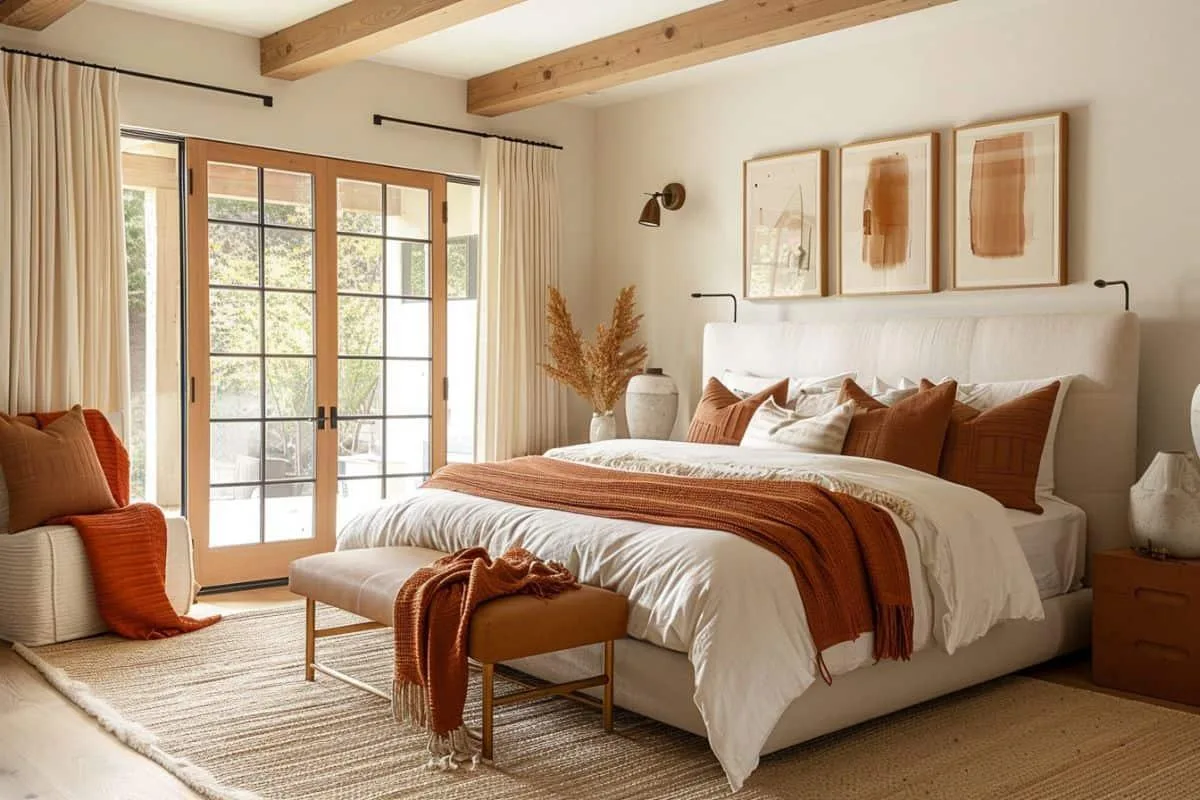
Instead of drawing immediate attention, they create a quiet background that supports relaxation. Warm whites, soft taupes, muted greens, gentle terracottas, creamy beiges, dusty blues, and warm grays all belong to this family because they reduce visual tension instead of increasing it.
A comfortable bedroom rarely depends on bold color statements. It depends on choosing tones that continue feeling pleasant day after day.
Why Warm Colors Feel More Comfortable Than Bright Ones
Color affects the way people experience a room emotionally.
Bright, highly saturated colors naturally stimulate attention. While that energy may work well in creative spaces or social rooms, bedrooms usually benefit from the opposite effect.
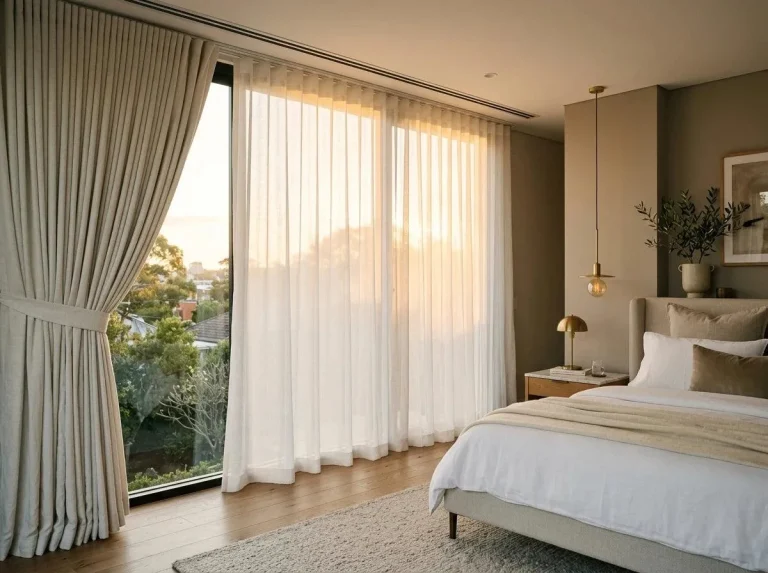
Warm, muted colors soften contrasts, making the room feel more restful. They also interact beautifully with natural light, changing gently throughout the day instead of appearing harsh.
This subtle variation creates a bedroom that feels alive while remaining peaceful.
[IMAGE — Warm neutral bedroom with layered textiles and natural daylight]
How Natural Light Changes Bedroom Colors
Choosing paint without considering natural light is one of the most common decorating mistakes.
North-facing bedrooms often benefit from warmer colors that compensate for cooler daylight.
South-facing rooms usually receive abundant sunlight, allowing slightly cooler neutrals to remain inviting.
Bedrooms with limited windows often feel brighter when warm off-whites or creamy tones reflect available light gently instead of producing strong glare.
Understanding how light changes throughout the day helps prevent disappointment after painting the room.
Cozy Bedroom Colors That Never Go Out of Style
Some palettes remain relevant because they respond to comfort rather than fashion.
Examples include:
- Soft ivory
- Warm white
- Sand beige
- Light taupe
- Mushroom gray
- Sage green
- Olive green
- Dusty blue
- Soft clay
- Muted terracotta
These colors pair easily with natural wood, linen, cotton, wool, and woven textures, making future decorating updates much simpler.
Rather than limiting creativity, timeless colors provide flexibility.
Choosing Colors That Match Your Lifestyle
The best bedroom color depends less on trends and more on how the room is used.
Someone working irregular hours may prefer darker, cocoon-like colors that encourage sleep.
A bedroom with abundant natural light may benefit from subtle warm neutrals that maintain brightness.
Families with children often appreciate forgiving colors that hide everyday wear better than crisp white walls.
Color becomes more successful when it supports daily routines instead of simply following current fashion.
[IMAGE — Bedroom featuring sage green walls with natural wood furniture]
How Texture Makes Cozy Colors Feel Richer
Even the most beautiful paint color can feel flat without supporting textures.
Linen bedding.
Wood furniture.
Woven baskets.
Wool throws.
Natural rugs.
Soft curtains.
Each material reflects light differently, allowing the chosen color palette to feel layered instead of monotonous.
Texture often contributes as much to coziness as color itself.
Decision Guide: Which Cozy Bedroom Colors Fit Your Home?
Before choosing paint, ask yourself a few practical questions.
Choose warm white if you want maximum flexibility.
Choose beige or taupe if you want warmth without darkness.
Choose sage green if you enjoy natural materials and botanical interiors.
Choose muted blue if relaxation is your highest priority.
Choose soft terracotta if you want warmth with subtle personality.
The best color is the one that continues supporting your lifestyle long after current decorating trends have disappeared.
Common Mistake and How to Avoid It
Many homeowners choose colors after seeing beautiful photographs online.
The problem is that every room receives different natural light.
A color that appears warm in one home may look completely different in another.
Always test large paint samples on multiple walls.
Observe them during the morning, afternoon, and evening before making a final decision.
Living with samples for a few days almost always leads to better choices.
[IMAGE — Paint samples viewed under changing natural light]
Living With the Space
Good bedroom colors become almost invisible over time.
Not because they lack personality.
Because they quietly support everyday life.
They make reading more pleasant.
They create a softer atmosphere before sleep.
They coordinate naturally with seasonal bedding changes.
They reduce the desire for constant redecorating.
Instead of becoming visually tiring, they become part of the comfort people associate with home.
That long-term satisfaction is one of the strongest reasons to prioritize timeless color palettes.
Creating a Bedroom That Evolves Naturally
Bedrooms rarely remain unchanged for years.
New furniture arrives.
Artwork changes.
Textiles are replaced.
Lighting improves.
A balanced color palette allows all those updates to happen without requiring the walls to be repainted every time.
Warm neutrals and nature-inspired colors provide a stable foundation that adapts gracefully as personal tastes evolve.
That flexibility reduces decorating costs while helping the room maintain a consistent identity.
How Layering Colors Creates a More Comfortable Bedroom
One of the reasons professionally designed bedrooms feel so inviting is that they rarely rely on a single color.
Instead, they build several gentle layers that work together.
Walls establish the overall atmosphere.
Bedding introduces softness.
Curtains filter natural light.
Area rugs warm the floor.
Wood furniture adds richness.
Small accessories reinforce the palette without dominating the room.
This layered approach prevents the bedroom from feeling flat while maintaining a peaceful appearance.
For example, a bedroom with warm ivory walls can include oatmeal linen bedding, light oak furniture, woven baskets, cream curtains, and soft taupe cushions. Although every element belongs to a similar color family, the different materials create enough variation to keep the room visually interesting.
Layering also makes future decorating easier.
Replacing a throw blanket or changing artwork refreshes the space without affecting the overall harmony of the room.
[IMAGE — Bedroom with layered neutral tones, linen bedding, wood furniture, and woven accessories]
Why Nature Inspires the Most Comfortable Color Palettes
Some of the world’s most relaxing interiors share one common characteristic.
Their colors come directly from nature.
Sand.
Stone.
Clay.
Moss.
Linen.
Weathered wood.
Soft clouds.
These natural references explain why earthy palettes remain appealing year after year.
People instinctively associate these colors with familiar environments that feel calm and stable.
Rather than demanding attention, they create an atmosphere that encourages slowing down.
Nature also teaches an important lesson about balance.
Outdoor landscapes rarely depend on strong color contrasts.
Instead, subtle variations create richness without overwhelming the eye.
The same principle works beautifully inside the bedroom.
Combining several soft shades often creates greater depth than introducing one dramatic accent color.
This explains why bedrooms inspired by natural landscapes continue feeling timeless long after specific decorating trends disappear.
Using Accent Colors Without Losing the Cozy Atmosphere
Choosing cozy bedroom colors does not mean avoiding accent colors completely.
The key is moderation.
A warm neutral bedroom can benefit from muted olive cushions.
Soft terracotta ceramics.
Dusty blue artwork.
Deep brown wood finishes.
Charcoal reading lamps.
These carefully selected accents provide personality while allowing the calming foundation to remain intact.
Instead of becoming the center of attention, accent colors support the overall composition.
This balance keeps the bedroom interesting without making it feel visually busy.
When adding accents, it helps to repeat each color several times throughout the room.
A green cushion may connect with a small plant.
A terracotta vase may coordinate with artwork.
These subtle repetitions create visual harmony.
How Bedroom Colors Influence Everyday Well-Being
The colors surrounding us become part of our daily routines.
They are often the first thing we see after waking up and the last environment we experience before going to sleep.
Because bedrooms are closely associated with rest, their color palette plays an important supporting role.
Warm, balanced colors help reduce visual stimulation.
They encourage slower transitions between active and quiet moments of the day.
While color alone cannot determine how well someone sleeps, it contributes to an environment that feels emotionally comfortable.
Just as importantly, timeless bedroom colors reduce the feeling that the room constantly needs updating.
Living in a space that continues feeling harmonious year after year creates a different kind of satisfaction.
Instead of focusing on decorating again, homeowners can simply enjoy the room they have already created.
[IMAGE — Cozy bedroom with layered lighting and calming earth-tone palette]
Choosing Colors That Age Gracefully
Many decorating decisions are influenced by what feels exciting today.
Bedrooms benefit from a different approach.
Because this room is used every day, colors should continue feeling comfortable long after the excitement of a renovation has faded.
Warm neutrals have remained popular for decades because they adapt easily to changing furniture, new textiles, and evolving personal tastes.
Even if you decide to replace the headboard, install different flooring, or introduce new lighting in the future, the color palette continues supporting those changes.
This long-term flexibility makes repainting less frequent and decorating less expensive.
Rather than following every new color trend, choose shades you genuinely enjoy living with.
The bedroom should feel personal rather than fashionable.
That difference often determines whether a room still feels inviting five or ten years later.
Why Personal Comfort Matters More Than Decorating Trends
Color recommendations should always remain flexible.
A shade that creates comfort for one homeowner may not have the same effect for another.
Some people find warm whites peaceful.
Others prefer earthy greens or muted blues.
The goal is not choosing the “correct” color.
The goal is choosing the color that helps your bedroom support the life you actually live.
If you enjoy reading before bed, softer colors reduce visual fatigue.
If your bedroom receives strong afternoon sunlight, slightly deeper tones may create a more balanced atmosphere.
If the room serves as both a sleeping space and a quiet retreat, layered neutral colors often provide the greatest versatility.
Decorating becomes much easier when decisions begin with everyday comfort rather than temporary inspiration found online.
That perspective helps create interiors that feel authentic because they reflect the people living there instead of simply following current trends.
Checklist
Before choosing your bedroom color palette, ask yourself:
✔ Does the color feel relaxing after spending time in the room?
✔ Does it work well with natural daylight?
✔ Does it coordinate with existing furniture?
✔ Will it remain attractive in five years?
✔ Does it complement natural materials?
✔ Can seasonal accessories be changed easily?
✔ Does the room feel comfortable both day and night?
You May Also Enjoy Reading
If you enjoy creating bedrooms that feel calm, timeless, and comfortable, these guides continue building the same design approach.
Minimalist Bedroom Ideas That Feel Warm
Discover Minimalist Bedroom Ideas That Feel Warm to learn how simple layouts, layered textures, and natural materials create inviting bedrooms without sacrificing comfort.
Bedroom Design Ideas
Explore Bedroom Design Ideas to understand the principles behind comfortable, functional, and timeless bedrooms.
Warm Neutral Bedroom Colors
Read Warm Neutral Bedroom Colors to discover how subtle palettes create peaceful spaces that remain beautiful through changing trends.
Conclusion
Cozy bedroom colors create much more than attractive interiors. They establish a foundation for better rest, easier decorating decisions, and bedrooms that continue feeling welcoming through every season of life.
By choosing warm, timeless colors that respond to natural light, complement everyday materials, and adapt to future changes, you create a bedroom that becomes increasingly comfortable rather than quickly outdated.
Take Away
The most successful bedroom colors are rarely the boldest. They are the ones that quietly improve everyday living through warmth, flexibility, and long-term comfort, allowing the bedroom to evolve naturally without losing its sense of calm.
Frequently Asked Questions
What are cozy bedroom colors?
Cozy bedroom colors are warm, muted, and calming shades that create comfortable environments while supporting relaxation and everyday living.
Which cozy bedroom colors work best in small bedrooms?
Warm whites, light taupes, soft beiges, and gentle sage greens help compact bedrooms feel brighter while maintaining warmth.
Do cozy bedroom colors need to be neutral?
No. While neutrals are common, muted greens, dusty blues, and soft terracottas can also create inviting and relaxing bedrooms.
How do I choose cozy bedroom colors for my home?
Consider natural light, furniture, flooring, and how you use the room every day before selecting a color palette.
Can cozy bedroom colors remain stylish for years?
Yes. Timeless colors inspired by nature generally adapt well to changing furniture and decorating styles, making them excellent long-term choices.