
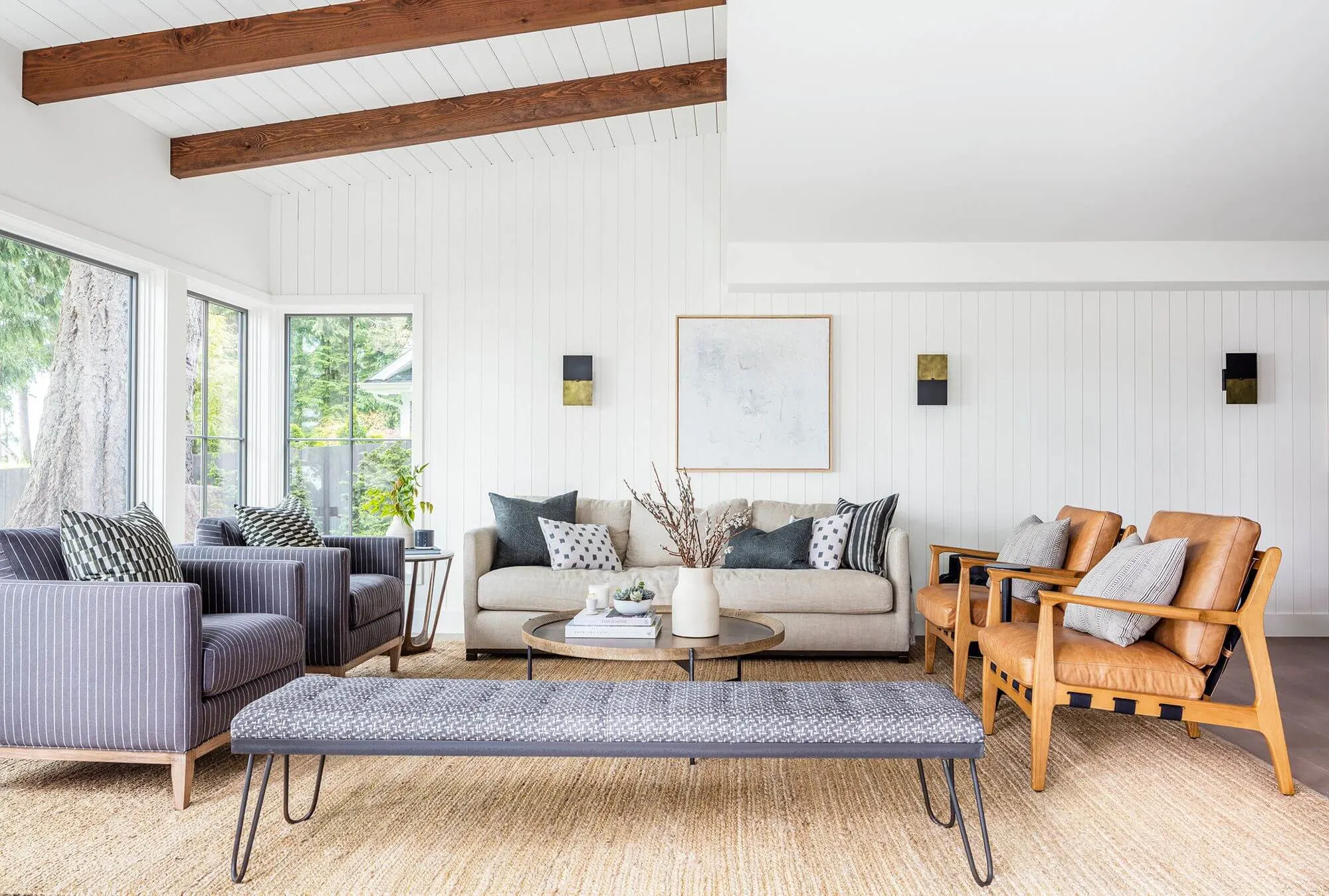
Decorating a small home often feels like a delicate balance. Every piece of furniture, every decorative object, and every layout decision affects how the room feels.
When too many elements compete for attention, a space can quickly feel crowded and uncomfortable. At the same time, removing too much can make a room feel empty or unfinished.
The goal is not simply to reduce furniture. It is to create a layout where each element supports the overall flow of the room.
Balanced small spaces often feel:
-
calm and comfortable
-
easy to move through
-
visually organized
-
practical for everyday living
If you are exploring ways to improve compact interiors, our guide on how to make the most of small spaces offers a broader overview of layout strategies and storage solutions.
Start With a Clear Layout Plan
Balance begins with understanding how the room will function.
In small homes, the layout should support everyday activities first. Before adding decorative elements, it helps to identify how the space will be used.
For example, a living room might need space for:
-
seating
-
circulation between furniture
-
lighting
-
small storage areas
Planning these elements in advance prevents overcrowding later.
Even a simple sketch of the room can help visualize where furniture should be placed. When the layout is clear from the beginning, it becomes much easier to maintain visual balance.
Choose Furniture With the Right Proportions
One of the most common reasons small rooms feel crowded is furniture that is too large for the space.
Oversized sofas, wide tables, and bulky storage pieces quickly dominate the room. Even if there are only a few items present, their size can disrupt the balance of the space.
Instead, compact furniture allows the room to breathe.
Helpful options include:
-
slim sofas
-
narrow coffee tables
-
armless chairs
-
furniture with visible legs
These pieces take up less visual weight and allow the eye to move more easily across the room.
Furniture designed for small homes often combines comfort with a lighter appearance.
Keep Surfaces Clear
Balanced rooms usually have a sense of visual calm. One way to achieve this is by keeping surfaces relatively clear.
Coffee tables, shelves, and side tables can easily become cluttered with decorative items. When too many objects compete for attention, the space begins to feel crowded.
A better approach is to choose a few items that serve as visual accents.
For example:
-
one decorative tray
-
a small plant
-
a lamp
-
a framed photograph
Limiting decoration allows each piece to stand out without overwhelming the room.
Use Vertical Space Instead of Floor Space
Another effective way to maintain balance in small rooms is to move storage upward instead of outward.
Walls provide valuable opportunities for organization while preserving the openness of the floor area.
Floating shelves, wall cabinets, and tall bookcases allow items to be stored without interrupting the flow of the room.
If you want practical examples, our article on vertical storage ideas for small spaces explains how vertical organization can transform compact rooms.
Using vertical space keeps the room functional while maintaining a lighter layout.
Create Visual Weight on Both Sides of the Room
Balance in interior design often refers to visual weight. When one side of the room contains all the furniture while the other side remains empty, the space can feel unstable.
Distributing elements across the room creates harmony.
Examples include:
-
placing a lamp opposite a larger piece of furniture
-
balancing shelving with seating
-
adding a plant to an empty corner
These small adjustments help the room feel more complete.
The goal is not perfect symmetry. Instead, the room should feel evenly composed.
balanced-living-room-layout-with-sofa-lamp-and-plant
Choose a Consistent Color Palette
Color plays a major role in how balanced a room feels.
Too many contrasting colors can make a small room appear busy and fragmented. A consistent palette allows the eye to move smoothly across the space.
Many small homes benefit from neutral foundations such as:
-
warm whites
-
soft gray tones
-
light natural colors
Accent colors can then be introduced through cushions, artwork, or textiles.
A limited color palette creates cohesion and prevents the room from feeling visually crowded.
Allow Space for Movement
Physical movement is just as important as visual balance.
In small homes, furniture should allow people to move comfortably from one area to another. Narrow pathways between furniture pieces can make a room feel restrictive.
Leaving enough space between major furniture pieces helps maintain a natural flow.
Even a few extra inches between items can improve the sense of openness.
Many small apartments benefit from multifunctional pieces that reduce the number of separate furniture items needed. Our guide to multifunctional furniture that actually works explores several practical examples.
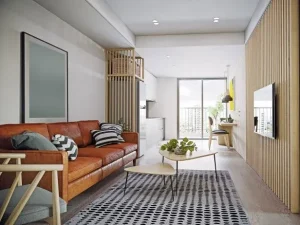
small-living-room-layout-with-clear-circulation-space
Avoid Trying to Fill Every Empty Area
Empty space is often misunderstood in interior design.
In smaller homes, empty areas help the room feel breathable and comfortable. Trying to fill every corner with furniture or decoration usually has the opposite effect.
Allowing certain areas to remain open creates visual relief.
For example:
-
a clear section of wall
-
an uncluttered corner
-
open space around a seating area
These moments of openness help the rest of the room feel more balanced.
A well designed small space often feels simple rather than crowded.
Use Lighting to Create Depth
Lighting has a strong influence on how balanced a room feels. When lighting is uneven or too harsh, certain areas of the room may appear heavier while others feel empty.
Layered lighting helps distribute brightness more evenly across the space.
Instead of relying on a single ceiling fixture, consider combining several light sources such as:
-
table lamps
-
floor lamps
-
wall lighting
-
soft ambient lighting
These layers create visual depth and allow the room to feel more comfortable during both day and evening hours.
In small homes, balanced lighting can make the difference between a room that feels flat and one that feels welcoming and complete.
Even simple additions like a small table lamp can help soften shadows and bring visual balance to the room.
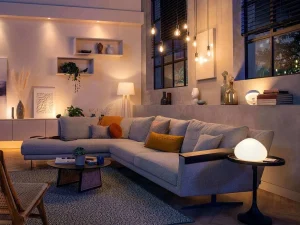
layered-lighting-in-small-living-room-interior.
Define Small Zones Within the Room
Balance often comes from giving each part of the room a clear purpose.
In small homes, a single room may need to support multiple activities. For example, a living room might also function as a workspace, reading corner, or dining area.
Instead of allowing everything to blend together, it helps to create subtle zones.
This can be done by using:
-
area rugs
-
lighting changes
-
furniture orientation
-
small shelving units
These elements visually separate activities without requiring physical walls.
Defining zones helps the room feel organized and prevents furniture from appearing randomly placed.
Even small adjustments can make the layout feel more intentional and balanced.
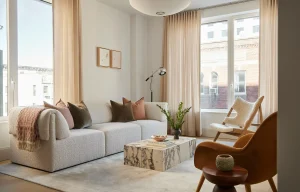
small-living-room-zoning-with-rug-and-seating-area-scaled.
Choose Fewer but More Functional Pieces
Another key principle in balanced small spaces is choosing quality over quantity.
When too many furniture pieces compete for attention, the room quickly feels crowded. A smaller number of well chosen items often creates a more comfortable layout.
Furniture that serves more than one purpose can be particularly helpful in compact homes.
Examples include:
-
storage ottomans
-
expandable tables
-
desks that fold away
-
benches with built in storage
These pieces allow the room to support multiple activities without adding extra furniture.
If you want more ideas, our guide to multifunctional furniture that actually works explores practical solutions designed specifically for smaller homes.
When furniture choices remain intentional and functional, the room feels lighter and easier to live in.
Maintain Visual Breathing Room
A balanced small space often includes what designers call breathing room. This refers to the areas of the room that remain intentionally open.
When every surface, corner, and wall is filled with furniture or decoration, the room can quickly feel crowded. Leaving certain areas clear allows the rest of the design to stand out.
Breathing room helps the eye move comfortably across the space.
In practice, this might mean:
-
leaving a small section of wall free of artwork
-
keeping one corner open
-
allowing space around larger furniture pieces
-
avoiding too many decorative items on shelves
These choices do not make the room feel empty. Instead, they create visual pauses that make the rest of the design feel more balanced.
In compact homes, this principle becomes even more important. When open space is respected, the room feels calmer and easier to live in.
Balance is not created only by what is added to a room. It is also created by what is intentionally left out.
Frequently Asked Questions
How do you balance furniture in a small room?
Balancing furniture in a small room involves distributing visual weight across the space. Instead of placing all large items on one side, furniture should be arranged so the room feels evenly composed and comfortable to move through.
What makes a small space feel crowded?
A small space often feels crowded when furniture is oversized, surfaces are cluttered, or too many colors compete for attention. Simplifying decoration and improving layout balance can make the room feel more open.
How can I decorate a small room without clutter?
Choosing a limited number of decorative items, keeping surfaces clear, and using vertical storage are effective ways to decorate without creating clutter. This approach maintains personality while preserving visual calm.
Can a small room still feel balanced with multiple furniture pieces?
Yes. A small room can feel balanced even with several furniture pieces if the layout is carefully planned. The key is choosing items with the right proportions and leaving enough space for movement. When furniture is distributed evenly across the room, the space feels more comfortable and visually organized.
What colors help small spaces feel more balanced?
Neutral and light color palettes often help small spaces feel more balanced. Soft whites, light gray tones, and natural colors reflect light and create visual continuity. Using a limited number of colors also helps prevent the room from feeling visually crowded.
Conclusion
Balancing a small space does not require removing everything from the room. Instead, it involves thoughtful decisions about layout, proportion, and decoration.
When furniture fits the scale of the room, colors remain consistent, and surfaces stay relatively clear, small homes can feel calm and inviting.
These adjustments allow compact spaces to function comfortably while still expressing personal style.
For additional ideas on improving compact interiors, explore our full guide on small spaces decor.
Small Space Decision Guide
| If Your Space Feels… | Focus On… |
|---|---|
| Crowded and difficult to move through | Reduce furniture scale and improve circulation |
| Visually busy | Simplify decor and limit accent colors |
| Empty but still uncomfortable | Add texture, lighting, and functional layers |
| Unbalanced from side to side | Distribute visual weight more evenly |
| Cluttered on surfaces | Introduce vertical storage and hidden storage |
| Smaller than it should feel | Create breathing room and clear pathways |
| Disconnected and random | Define zones with rugs, lighting, and furniture placement |
Most small-space problems are not caused by room size. They are usually the result of scale, layout, storage, or visual balance. Identifying the primary issue first makes every decorating decision easier.
You May Also Like
If you’re looking for more ways to improve compact interiors, these guides can help you create a home that feels more comfortable, organized, and visually balanced.
Learn which design habits make small rooms feel more crowded in Common Small Space Decorating Mistakes.
Discover practical ways to free up floor space in Vertical Storage Ideas for Small Spaces.
Explore broader layout and organization strategies in How to Make the Most of Small Spaces.
Discover how better room planning can improve comfort and functionality in Layout Solutions for Small Rooms


