
Introduction
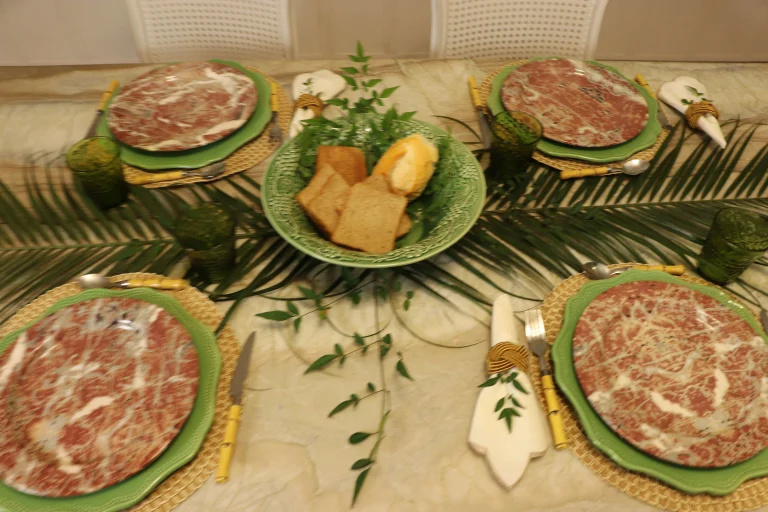
A rustic Italian table setting brings together natural textures, vibrant colors, and the welcoming spirit of Mediterranean dining.. Instead of relying on elaborate decorations, the Italian approach to table styling often celebrates simple elements — beautiful ceramics, natural textiles, and fresh ingredients that reflect the spirit of Mediterranean living.
A rustic Italian table does more than present a meal. It creates an atmosphere that invites people to gather, slow down, and enjoy the moment together.
In this setting, classic red and white textiles create a lively foundation, while ceramic plates, fresh vegetables, and small natural details bring texture and authenticity to the table.
The result is a composition that feels both relaxed and carefully curated — a perfect example of how everyday dining can become a memorable experience.
The Foundation: Red and White Textiles
The base of this table begins with a traditional red and white striped tablecloth, a pattern strongly associated with Italian trattorias and countryside kitchens.
Layered on top, a gingham placemat introduces another familiar pattern often seen in rustic Mediterranean dining spaces.
Combining stripes and gingham may seem bold at first, but because both patterns share the same color palette, the result feels harmonious rather than overwhelming.
These textiles serve several purposes:
• they create visual energy
• they add warmth and texture
• they establish a casual, welcoming tone
Red and white combinations are especially effective because they evoke classic Italian culinary imagery — tomatoes, wine, and traditional table linens.
Instead of creating a formal atmosphere, these textiles encourage a relaxed and social dining experience.

Layered Ceramics that Add Character
Ceramic plates are an essential element in many Mediterranean-inspired table settings.
In this composition, the green ceramic charger plate introduces a soft natural tone that contrasts beautifully with the red accents on the table.
On top of the charger sits a simple off-white dinner plate reminiscent of traditional European porcelain. This neutral element balances the stronger colors around it and keeps the table visually elegant.
Layering plates in this way creates depth and structure. Each piece has a role in the composition, and together they form a cohesive setting that feels intentional without appearing overly formal.
The red napkin placed on top of the plate reinforces the color palette while adding a touch of softness to the arrangement.
These small design decisions help create a table that feels both lively and refined.

A Mediterranean-Inspired Centerpiece
One of the most charming aspects of this table setting is the use of fresh vegetables as part of the decoration.
Instead of traditional floral arrangements, the centerpiece features elements that reflect the ingredients of Mediterranean cuisine:
• tomatoes
• leafy greens
• herbs
• peppers
These natural elements create an atmosphere of abundance and authenticity.
Using ingredients as decoration connects the table directly to the food that will be shared. It also reinforces the rustic aesthetic that defines many Italian dining traditions.
The colors of the vegetables contribute to the overall palette of the table. Bright reds, fresh greens, and earthy tones naturally complement the ceramics and textiles.
This approach to decorating is simple but very effective. It transforms everyday ingredients into beautiful visual elements.
Small Details that Make the Table Feel Personal
Beyond the main elements of the table, several small details help give this setting its personality.
Tiny jars filled with herbs, handwritten tags, and simple napkin rings add a handcrafted touch that makes the table feel more intimate.
These details suggest care and attention without feeling overly styled.
Italian dining culture often values authenticity over perfection. A table that feels slightly improvised can actually be more inviting than one that looks overly formal or rigid.
These personal elements reinforce the idea that the meal is meant to be enjoyed in a relaxed and welcoming environment.

Color Harmony Inspired by Mediterranean Cuisine
One reason this table feels visually satisfying is the natural harmony of its colors.
The palette draws directly from ingredients commonly associated with Italian cooking:
• red tomatoes
• green herbs and vegetables
• neutral ceramic tones
This combination mirrors the colors often seen in traditional Mediterranean dishes and landscapes.
Because the palette is rooted in nature, the overall effect feels balanced and lively at the same time.
Instead of relying on decorative objects alone, the table becomes a celebration of the ingredients themselves.
Creating an Atmosphere of Abundance
Italian tables often embrace a sense of generosity and abundance.
Rather than leaving large empty spaces, food elements, vegetables, and small decorative details are spread naturally across the table.
This approach creates visual richness while maintaining a relaxed atmosphere.
Guests immediately feel that the table is meant to be shared. The arrangement suggests that dishes will arrive gradually, conversations will flow, and the meal will unfold slowly over time.
This sense of abundance is an essential part of Mediterranean hospitality.
Rustic Elegance for Everyday Dining
What makes this table particularly appealing is that it does not rely on expensive materials or elaborate decorations.
Most of the elements used in the composition are simple and accessible:
• ceramic plates
• cotton textiles
• fresh vegetables
• small glass containers
Yet when combined thoughtfully, these pieces create a setting that feels special.
This reflects a core principle of Mediterranean design: beauty often comes from simplicity and authenticity rather than luxury.
Even an everyday dinner can feel elevated when the table is arranged with intention.
The Role of Textiles in Mediterranean Table Design
Textiles play a fundamental role in Mediterranean table styling. Unlike minimalist table settings that rely heavily on neutral surfaces, Mediterranean tables often embrace rich textures and layered fabrics.
The red and white striped tablecloth used in this setting immediately evokes the atmosphere of traditional Italian trattorias and countryside kitchens. These stripes create movement across the table and establish a lively visual rhythm.
Layering a gingham placemat on top of the striped cloth introduces another dimension of texture. While mixing patterns might seem bold, the shared color palette keeps the composition cohesive and balanced.
In Mediterranean homes, textiles are often chosen for their warmth and practicality. Cotton fabrics, natural fibers, and simple weaves are commonly used because they create a relaxed environment that encourages long meals and lively conversations.
This approach reminds us that table styling does not need to be complicated. Sometimes the right combination of fabrics is enough to transform an everyday table into a welcoming dining space.
Why Ceramic Tableware Works So Well in Rustic Settings
Ceramic tableware has long been associated with Mediterranean dining traditions. Handmade or artisan-inspired plates often bring warmth and authenticity to the table.
In this table setting, the green ceramic charger plate plays a key role in grounding the composition. Its earthy tone complements the fresh vegetables used as decoration while providing contrast against the red accents of the textiles.
Ceramic materials also introduce subtle imperfections that contribute to the charm of rustic design. Slight variations in glaze, texture, or color can make the table feel more natural and less formal.
The off-white dinner plate placed above the charger keeps the overall composition balanced. Neutral plates allow the surrounding colors — the red napkin, the vegetables, and the textiles — to remain the visual highlights.
Together, these elements create a layered table that feels thoughtfully arranged without appearing overly structured.
Bringing Nature to the Table
One of the most distinctive characteristics of Mediterranean table settings is the presence of natural elements.
Instead of elaborate centerpieces, many Italian tables feature ingredients that will later be used in the meal. Tomatoes, herbs, leafy greens, and seasonal vegetables often appear both as decoration and as part of the culinary experience.
This approach connects the table directly to the idea of fresh cooking and seasonal ingredients.
In this composition, the vegetables placed across the table create a sense of abundance and freshness. Their colors add vibrancy while their organic shapes contrast beautifully with the structured elements of plates and textiles.
Decorating with natural ingredients also creates a more relaxed atmosphere. Guests feel that the table is meant to be enjoyed rather than admired from a distance.
This philosophy reflects the heart of Mediterranean hospitality.
Creating a Casual Yet Elegant Dining Experience
Italian table settings often strike a unique balance between casual comfort and subtle elegance.
The table presented here illustrates how that balance can be achieved through thoughtful layering and color coordination.
The vibrant red napkins add warmth and energy to the table, while the ceramic plates provide structure and contrast. The vegetables introduce organic textures, preventing the arrangement from feeling too polished.
Rather than focusing on symmetry or strict formality, the composition feels naturally arranged.
This relaxed aesthetic encourages guests to feel comfortable. Conversations flow more easily when the environment feels welcoming and unpretentious.
Ultimately, the goal of a table like this is not perfection but connection — creating a setting where people enjoy both the meal and the company around them.
Italian Dining Culture and the Importance of the Table
In Italian culture, the dining table holds deep social and emotional significance.
Meals are rarely rushed, and the table often becomes a place where family and friends gather for extended periods of conversation and shared enjoyment.
Because of this, the table itself becomes part of the experience.
Simple details like fresh vegetables, linen napkins, and ceramic plates contribute to the atmosphere of hospitality that defines many Mediterranean meals.
The table setting does not need to be extravagant. Instead, it reflects a philosophy of generosity and togetherness.
Even small touches — a handwritten tag, a bowl of fresh herbs, or a colorful napkin — help create a sense of warmth and authenticity.
This cultural perspective is one reason why Italian-inspired tables continue to inspire designers and hosts around the world.

small-jar-with-cucumber-used-as-natural-decor-in-a-rustic-Italian-table-setting
FAQ – Rustic Italian Table Settings
What defines a rustic Italian table setting?
A rustic Italian table setting is characterized by warmth, natural textures, and simple yet vibrant elements. Instead of formal symmetry, the style focuses on creating a welcoming atmosphere.
Typical elements include ceramic plates, linen or cotton textiles, fresh vegetables or herbs used as decoration, and a color palette inspired by Mediterranean ingredients. Red, green, and neutral tones are often present because they reflect traditional Italian cuisine and landscapes.
The overall goal is to create a table that feels abundant, relaxed, and inviting.
Why are red and white textiles common in Italian table decor?
Red and white textiles are strongly associated with Italian trattorias and countryside dining traditions.
These colors evoke familiar culinary imagery such as tomatoes, wine, and classic table linens. Striped or gingham fabrics also bring a casual charm that feels both traditional and timeless.
Because the colors are bold yet simple, they create a lively visual foundation without making the table feel overly formal.
Can fresh vegetables really be used as table decoration?
Yes, fresh vegetables are often used in Mediterranean table styling. Tomatoes, herbs, peppers, and leafy greens can function as natural centerpieces while also reinforcing the connection between the table and the meal.
This approach adds color, texture, and authenticity to the table while keeping the decoration simple and organic.
Using ingredients as decor also creates a sense of abundance and freshness that reflects traditional Italian hospitality.
What type of tableware works best for a Mediterranean table setting?
Ceramic tableware is one of the most popular choices for Mediterranean-inspired tables.
Handcrafted or artisan-style ceramics introduce warmth and character through their textures and subtle variations in color. Charger plates made from ceramic or stoneware can help create visual depth when layered with lighter dinner plates.
Neutral plates often work best because they allow the textiles and food elements to remain the visual highlights of the table.
How can you make a table feel authentic without making it overly formal?
The key is balance. A rustic Italian table should feel thoughtfully arranged but not overly structured.
Mixing natural elements like vegetables or herbs with simple ceramics and relaxed textiles helps create this effect. Instead of perfect symmetry, slight variations in placement can make the table feel more organic and welcoming.
Small personal details — such as handwritten tags or simple jars with herbs — also add authenticity without increasing complexity.
Do rustic Italian table settings work for everyday meals?
Absolutely. One of the defining characteristics of Mediterranean table styling is that it can easily be adapted for everyday dining.
Because the elements are simple — textiles, ceramic plates, fresh ingredients — the table can be recreated without elaborate preparation.
Even a casual dinner can feel more special when the table includes thoughtful details that celebrate food, color, and shared moments.
Explore More Table Setting Inspiration
If you enjoy creating thoughtful and welcoming table settings, you may also like exploring other styling ideas that bring personality and elegance to everyday dining.
For a sophisticated approach that blends simplicity with refined details, take a look at How to Elevate Everyday Stoneware with Silver Flatware and Italian Glassware, where we explore how small upgrades can transform casual tableware into a polished and elegant dining experience.
If you are looking for seasonal inspiration, Spring Table Setting Ideas for an Elegant Green and Yellow Palette presents a fresh and vibrant composition inspired by spring colors, natural textures, and light-filled gatherings.
Both articles offer practical ideas and beautiful inspiration for creating tables that feel special while remaining approachable for everyday meals.
A rustic Italian table setting brings warmth, color, and Mediterranean charm to everyday dining. By combining natural textiles, ceramic tableware, and fresh ingredients used as decoration, a rustic Italian table setting creates a welcoming atmosphere that celebrates simple food and shared moments around the table.
Final Thoughts
A rustic Italian table setting celebrates the joy of gathering around food. Through simple textiles, layered ceramics, and natural ingredients, it creates an atmosphere that feels warm, generous, and inviting.
The combination of red and white patterns, ceramic plates, and fresh vegetables reflects the colors and spirit of Mediterranean life.
More importantly, this type of table reminds us that dining is not only about the meal itself, but also about the experience shared with others.
With a few thoughtful details, any table can become a place where conversation flows, meals are savored, and memories are created.
A rustic Italian table setting reminds us that beautiful tables don’t need to be complicated — they simply need warmth, color, and the joy of sharing a meal together.