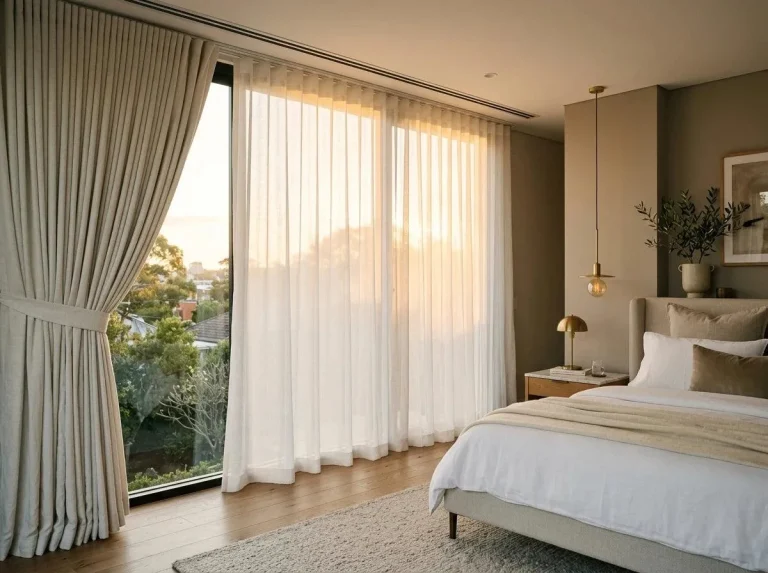

- Small interior adjustments often improve your home faster than large decorative changes.
- Subtle shifts in light, position, and texture can transform how a home feels without requiring a full redesign.
Small interior adjustments often improve your home in ways that feel immediate and quietly lastin. A space rarely becomes more comfortable because of one major transformation. Instead, everyday ease usually appears when small details begin to work better together.
Many interiors already contain everything they need to feel balanced. What often prevents comfort is not lack, but friction. Objects slightly out of place, light that feels too harsh at certain hours, or surfaces that carry more than they need can subtly affect how a room is experienced.
Over time, improving a home becomes less about adding new elements and more about refining what is already there. Small changes, when applied with intention, often reshape how the entire space is perceived.
Why Small Adjustments Often Feel More Effective Than Redesign
Large decorative changes tend to create immediate visual impact, but their effect can fade as the eye becomes accustomed to them.
Small adjustments behave differently. They improve how a space functions and feels in repeated daily use. Because these changes reduce subtle friction, their effect becomes more noticeable over time rather than less.
A chair moved slightly closer to natural light may not seem significant at first, yet it can change how often that space is used. A surface cleared just enough to feel calm may alter how the room is perceived every time it is entered.
This is why many homes feel better not after major updates, but after small corrections that align the space with everyday life.

Light Adjustments That Change How a Room Feels
Light influences perception continuously, even when it is not consciously noticed.
A room may feel slightly uncomfortable simply because lighting remains too strong at night or too flat during the day. Adjusting light rarely requires replacing fixtures. Often, it involves repositioning or layering what already exists.
Simple adjustments include:
• moving a lamp closer to seating
• using softer bulbs in the evening
• allowing natural light to enter more freely
• reducing direct glare on reflective surfaces
When light becomes more balanced, surfaces appear softer, movement feels easier, and the room begins to support different moments of the day more naturally.

How Repositioning Objects Reduces Everyday Friction
Many small discomforts inside a home come from objects being slightly out of alignment with daily use.
A table that sits just outside natural reach, a chair that interrupts movement, or a frequently used item stored too far away creates repeated micro interruptions.
Repositioning often solves this more effectively than replacing.
For example:
• placing everyday objects within easy reach
• aligning furniture with natural walking paths
• removing small obstacles from circulation areas
These adjustments reduce effort without changing the visual identity of the room. Over time, this creates a sense of ease that feels immediate and practical.
🔷 A useful principle is simple: when a room supports movement without resistance, comfort becomes almost invisible but constantly present.

interior-layout-with-clear-circulation-improving-daily-movement-and-comfort
Texture and Softness in Everyday Use
Texture affects how a space feels before it is even touched.
Homes that feel comfortable often include a balance between softer and firmer surfaces. When everything is rigid or highly reflective, the environment may feel visually and physically tense.
Small adjustments in texture can include:
• adding a soft textile to a frequently used chair
• introducing a woven element to break visual uniformity
• replacing one hard surface with a more tactile material
These changes do not need to be dramatic. Even one softer element in the right place can shift the emotional reading of a room.

Visual Breathing Space Improves Perception
Not every improvement comes from adding something new. In many cases, removing just enough creates stronger results.
When surfaces carry too many unrelated objects, the eye processes constant interruption. This often creates a subtle sense of visual fatigue.
Creating breathing space can be as simple as:
• reducing the number of items on one surface
• grouping objects instead of spreading them
• leaving one area intentionally open
This does not make a room feel empty. It makes what remains more visible and more intentional.

Small Changes in Alignment Create Stronger Balance
Balance inside a room is not always about symmetry. It often comes from alignment.
When objects relate clearly to one another, the space feels more stable. When alignment is slightly off, the room may feel unsettled without an obvious reason.
Simple adjustments include:
• centering a rug with seating
• aligning a table with surrounding furniture
• adjusting spacing so pieces relate proportionally
These changes are subtle, yet they influence how the room is perceived every time it is used.

Everyday Comfort Often Improves Through Subtraction
Many homes reach a point where adding more no longer improves anything.
At this stage, subtraction becomes more effective.
Removing one unnecessary object, one extra chair, or one decorative element that interrupts visual continuity often creates more comfort than introducing something new.
This is because the room begins to communicate more clearly. Fewer elements compete, and the environment becomes easier to understand at a glance.

Small Adjustments That Improve Daily Use Immediately
Some changes create noticeable improvement as soon as they are applied.
These often include:
• clearing one frequently used surface
• improving access to everyday objects
• softening one strong light source
• opening one pathway for easier movement
These actions require little effort, yet they often transform how a room functions within the same day.

Why Small Interior Changes Often Last Longer
Large changes depend on visual novelty. Small adjustments depend on use.
When a change improves how a room works daily, it tends to remain. There is no resistance to maintaining it because it feels natural.
A lamp that improves evening comfort will continue to be used. A clear surface that reduces visual noise will tend to stay organized more easily.
This is why small improvements often become permanent parts of the home, while larger changes sometimes lose relevance over time.
What Usually Improves Comfort Without Being Noticed
Adjustment Effect on the room
Reducing one surface load Creates visual calm
Softening light at night Improves relaxation
Repositioning one chair Enhances usability
Clearing circulation Improves movement
These changes rarely draw attention individually, yet together they transform how a home feels.
How Small Adjustments Build Long-Term Comfort
Comfort inside a home is rarely created in a single moment. It develops gradually as small improvements accumulate.
Each adjustment reduces a small amount of friction. Over time, these reductions begin to shape how the space is experienced as a whole.
A room that once felt slightly difficult becomes easier. A space that required constant adjustment begins to support daily life more naturally.
This is how small changes create lasting impact.

Why Improvement Often Begins With Observation
Before changing anything, it helps to observe how the space behaves.
Noticing where movement feels interrupted, where light becomes uncomfortable, or where surfaces feel overloaded often reveals exactly what needs adjustment.
Observation prevents unnecessary changes. Instead of adding more, it allows the home to improve through precision.
This approach keeps the space aligned with real use rather than abstract design ideas.

Why Small Changes Often Go Unnoticed but Transform the Entire Room
Many improvements inside a home are not immediately visible because they do not change the identity of the space. Instead, they change how the room is experienced over time.
A surface that feels easier to use, a pathway that no longer interrupts movement, or a light source that no longer creates tension often goes unnoticed at first. Yet these small corrections gradually alter how the room is perceived in repeated use.
This is why some homes begin to feel better without any clear explanation. The improvement does not come from one visible change, but from several small adjustments working quietly together.
Over time, these subtle shifts reduce effort, soften perception, and create a space that feels naturally more comfortable.
How Small Adjustments Change How a Home Feels Throughout the Day
A room is not experienced in a single moment. It changes depending on time, light, and activity.
Small adjustments often become more noticeable across different parts of the day. A chair placed near morning light may feel inviting early on, while softer lighting in the evening creates a sense of closure.
These changes allow the same space to support different emotional states without requiring transformation.
When a home adapts naturally to daily rhythm, comfort becomes continuous rather than occasional.
This is one of the reasons small interior adjustments often feel more effective than larger design changes. They improve how the space behaves across time, not just how it looks in one moment.
Why Small Adjustments Often Last Longer Than Major Redesigns
Large interior changes often create immediate impact, but that impact does not always last. Over time, rooms designed around strong visual statements may require constant updates to maintain the same feeling.
Small adjustments tend to behave differently. Because they improve how the space works rather than how it impresses, they remain relevant for longer.
A better furniture position, softer lighting, or a clearer surface continues to support daily life without demanding attention.
This is why many homes gradually evolve through small corrections instead of dramatic redesigns. The space becomes more comfortable not because it changes completely, but because it becomes easier to use over time.
Practical Ways to Improve Everyday Comfort Without Major Changes
Small interior adjustments often become more effective when applied with intention rather than frequency. Instead of changing many elements at once, focusing on one area at a time usually creates more stable results.
A surface that feels easier to use, a chair positioned with better light, or a layout that allows smoother movement can improve daily comfort without requiring visible transformation.
Over time, these adjustments accumulate and begin to influence how the entire home feels. What starts as a small correction often becomes part of a more consistent and comfortable living experience.
You May Also Enjoy Reading
Small adjustments often feel more effective when they support visual calm and reduce competing elements, a principle explored in How to Create a Calmer Home Environment
Daily comfort also becomes easier to maintain when routines shape how the home is used, as explained in How Home Routine Shapes Everyday Well-Being
The impact of fewer, more intentional elements becomes clearer in spaces designed to reduce excess, as discussed in Practical Minimalism for Real Homes.
Takeaway
Small interior adjustments often create stronger comfort than major changes because they improve how a home works every day.
Light, spacing, texture, and positioning, when refined carefully, allow a space to feel easier, calmer, and more supportive without requiring transformation.
You May Also Enjoy Reading
Small adjustments often feel more effective when they support visual calm and reduce competing elements, a principle explored in How to Create a Calmer Home Environment
Daily comfort also becomes easier to maintain when routines shape how the home is used, as explained in How Home Routine Shapes Everyday Well-Being
The impact of fewer, more intentional elements becomes clearer in spaces designed to reduce excess, as discussed in Practical Minimalism for Real Homes
FAQ
Do small interior changes really make a difference?
Yes. Small adjustments often improve daily comfort more effectively than large changes because they reduce repeated friction in how the space is used.
Where should I start when improving my home?
Start with one surface, one light source, or one movement path. Small improvements are easier to maintain and often create immediate results.
Is it better to add or remove items?
In many cases, removing or repositioning existing elements creates more comfort than adding new ones.