
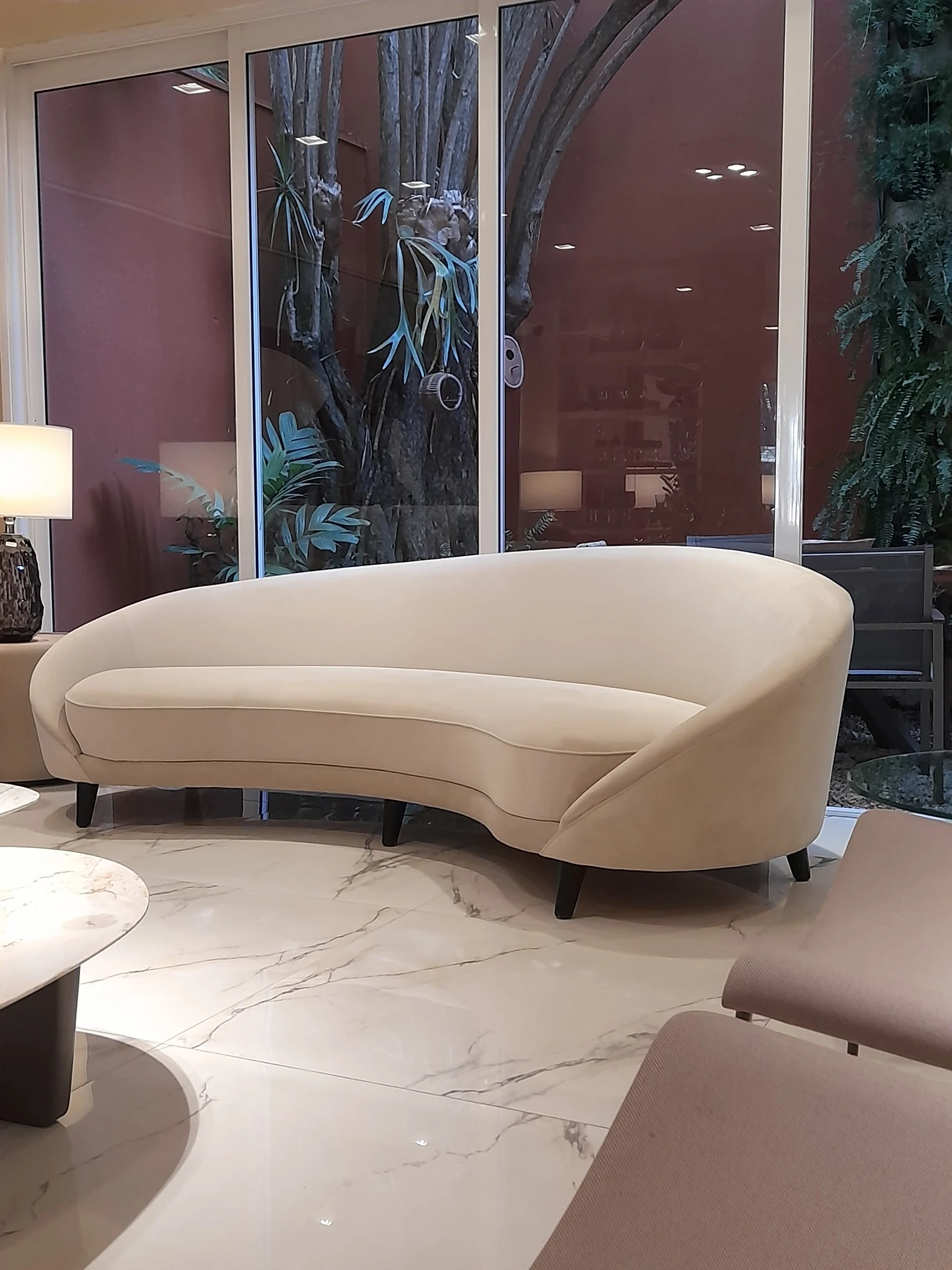
This sofa fabric guide explains how different upholstery materials affect comfort, maintenance and everyday living.
Many people choose a sofa based on color, shape or size, only to discover later that the fabric itself has a greater impact on everyday comfort and maintenance.
A beautiful sofa can quickly become frustrating if the upholstery does not suit the way the room is actually used.
In this article you will learn:
- Which sofa fabrics perform best in real homes
- How fabric choice affects maintenance and durability
- What works for families, pets and everyday living
- How texture influences comfort and atmosphere
- Which materials tend to age better over time
Choosing the right upholstery is often less about trends and more about understanding how the sofa will function day after day.
How-Texture-Creates-a-Luxury-Living-Room.
Why Fabric Matters More Than Many People Realize
A sofa is usually one of the most frequently used pieces of furniture in a home.
It supports daily routines, family gatherings, movie nights, reading sessions and moments of rest. Because of this constant use, the fabric experiences more wear than almost any other decorative element in the room.
In practice, fabric affects much more than appearance.
It influences comfort, cleaning requirements, durability and even how inviting the room feels.
A fabric that looks beautiful in a showroom may not perform well in a busy household. Likewise, a highly durable material may not create the atmosphere a homeowner wants.
The best choice is usually the one that balances aesthetics with practical use.
Common Sofa Fabrics at a Glance
| Fabric | Pros | Considerations |
|---|---|---|
| Cotton | Soft and breathable | Can wrinkle |
| Linen | Natural texture | May crease easily |
| Polyester | Durable and easy-care | Less natural feel |
| Velvet | Luxurious appearance | Requires maintenance |
| Performance fabrics | Stain resistant | Often higher cost |
Understanding the Main Types of Sofa Fabrics
Different upholstery materials offer different advantages.
Understanding their characteristics helps avoid expensive mistakes later.
Cotton
Cotton remains one of the most widely used upholstery fabrics.
It feels soft, breathable and comfortable throughout the year.
Many homeowners appreciate its natural appearance and relaxed texture.
However, cotton can stain more easily than synthetic alternatives and may show wear faster in heavily used rooms.
For households with children or pets, performance-treated cotton often provides a more practical solution.
Linen
Linen is known for its relaxed elegance.
Its slightly textured surface creates visual depth and works especially well in interiors focused on natural materials and calm atmospheres.
Linen performs best in lower-traffic environments because it can wrinkle and show wear more quickly than some alternatives.
Many contemporary homes use linen-blend upholstery to combine softness with greater durability.
Polyester
Polyester has become increasingly popular because of its practicality.
Modern polyester fabrics are often soft, durable and resistant to fading.
They generally require less maintenance than many natural fibers and perform well in active households.
For families seeking a balance between appearance and durability, polyester blends are often a sensible option.
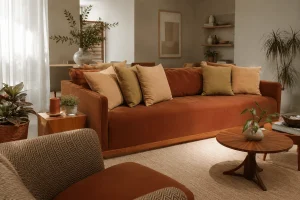
Velvet
Velvet introduces richness and visual depth.
Light interacts with the surface in unique ways, creating movement and subtle variation.
While velvet is often associated with formal interiors, modern performance velvets can work surprisingly well in everyday homes.
The key consideration is maintenance, as some velvet finishes require more attention than textured woven fabrics.
Performance Fabrics
Performance fabrics have become one of the most practical developments in furniture upholstery.
These materials are designed to resist stains, moisture and daily wear.
Many families now prioritize performance fabrics because they offer peace of mind without sacrificing appearance.
The technology behind these textiles continues to improve, making them increasingly difficult to distinguish from traditional upholstery materials.
How Lifestyle Should Influence Fabric Selection
One of the most common decorating mistakes is choosing upholstery without considering daily routines.
The ideal fabric for a formal sitting room may not be the best choice for a family living room.
Homes With Children
Children naturally increase the likelihood of spills, stains and heavy use.
Durable woven fabrics and performance upholstery often perform best in these environments.
Materials that allow easy cleaning help reduce long-term stress and maintenance.
Homes With Pets
Pets create unique challenges for upholstery.
Claws, fur and occasional accidents can affect fabric longevity.
Tightly woven fabrics typically resist snagging better than loose weaves.
Some performance fabrics are specifically designed to withstand pet-related wear while remaining comfortable and attractive.
Low-Traffic Living Rooms
Rooms used primarily for entertaining may allow greater flexibility.
Homeowners can prioritize texture, appearance and aesthetic preferences without placing durability at the center of every decision.
This is where fabrics like linen or velvet often become more practical options.
Sofa Fabric Guide: How to Choose the Right Material for Your Lifestyle
One of the most useful ways to approach a sofa purchase is to stop thinking about fabric as a decorative decision and start viewing it as a lifestyle decision.
The best sofa material is not necessarily the most expensive option or the one currently trending in design magazines.
Instead, it is the fabric that supports the way a household functions every day.
For example, a family with young children often benefits from different upholstery choices than a couple who primarily uses the living room for occasional entertaining.
The same principle applies to pet owners, apartment dwellers and homeowners who spend several hours each day using the sofa as a place to read, work or relax.
In practice, choosing the right fabric becomes easier when evaluating how the sofa will actually be used.
When Durability Should Be the Priority
Durability becomes especially important when a sofa serves as the primary seating area in the home.
Daily use naturally creates friction, pressure and wear over time.
In these situations, tightly woven upholstery fabrics and performance materials often provide better long-term results.
The benefit is not simply longevity.
Durable fabrics usually maintain their appearance longer, reducing the need for premature replacement and helping the room remain visually consistent over the years.
For households looking to maximize value from a furniture investment, durability often deserves greater consideration than aesthetics alone.
When Comfort Matters More Than Resistance
Not every living room faces heavy use.
Some spaces are designed primarily for quiet relaxation, reading or occasional gatherings.
In these environments, comfort and tactile quality may become more important factors.
Natural fibers such as cotton and linen often create a softer and more relaxed experience.
They contribute to a welcoming atmosphere and help the room feel comfortable rather than overly formal.
For homeowners seeking a calm and inviting environment, comfort can sometimes outweigh maximum durability.
Choosing Between Natural and Synthetic Fabrics
Many buyers wonder whether natural or synthetic materials are the better choice.
The answer depends largely on priorities.
Natural fabrics often provide warmth, texture and a more organic appearance.
Synthetic options typically offer easier maintenance and greater resistance to stains and fading.
Neither category is universally superior.
The most successful choices usually emerge when the material aligns with the realities of everyday life.
A practical family room may benefit from synthetic performance fabrics, while a quieter sitting room may feel more appropriate with natural upholstery.
The Long-Term Benefits of Choosing the Right Fabric
A well-chosen fabric delivers benefits that extend far beyond appearance.
It can reduce cleaning time.
It can simplify maintenance.
It can improve daily comfort.
It can help the sofa continue looking attractive despite years of use.
Most importantly, it helps create a living room that remains enjoyable rather than demanding.
When upholstery decisions reflect real routines rather than temporary trends, the result is often a space that functions better day after day and requires fewer adjustments over time.
How Texture Changes the Feel of a Room
Fabric texture contributes significantly to the atmosphere of a space.
Many people focus exclusively on color while overlooking the influence of tactile surfaces.
A heavily textured fabric often creates warmth and visual softness.
Smooth fabrics can feel cleaner, more modern and visually lighter.
Neither approach is inherently better.
The choice depends on the overall character of the room and the experience the homeowner wants to create.
This principle also appears in articles such as How to Use Texture in a Living Room (#77), where layered materials help create depth without adding clutter.
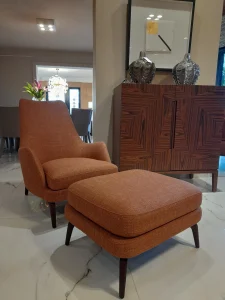
Herringbone-upholstered-armchair-adding-texture-and-visual-interest-to-a-contemporary-living-room
Common Mistake and How to Avoid It
A common mistake is choosing fabric solely because it looks attractive in a small sample.
Fabric behaves differently when covering an entire sofa.
Color, texture and light reflection become much more noticeable at full scale.
Before making a decision, it is helpful to request larger samples whenever possible.
Viewing materials in natural daylight and evening lighting often reveals differences that are difficult to see in a showroom.
This small step can prevent costly disappointment later.
Sofa Fabrics and Long-Term Maintenance
Maintenance requirements vary significantly between materials.
Some fabrics demand regular attention while others remain relatively forgiving.
When evaluating upholstery, consider:
- Ease of stain removal
- Resistance to fading
- Resistance to pilling
- Ability to handle daily friction
- Cleaning frequency
- Manufacturer care recommendations
A fabric that supports everyday routines often delivers greater satisfaction over time than one chosen solely for appearance.
Many homeowners discover that low-maintenance choices contribute significantly to long-term enjoyment of a room.
Living With the Sofa Every Day
A sofa is not simply a decorative object.
It becomes part of daily life.
Morning coffee.
Family conversations.
Weekend relaxation.
Quiet evenings.
Because of this constant interaction, comfort should never be overlooked during the selection process.
The most successful living rooms often combine visual appeal with practical functionality.
Over time, this balance creates spaces that remain enjoyable rather than becoming difficult to maintain.
The goal is not merely to create a beautiful room.
The goal is to create a room that continues to work well months and years later.
How to Balance Durability and Style
Many homeowners assume they must choose between practicality and beauty.
Fortunately, modern upholstery options offer far more flexibility than in the past.
Performance fabrics now mimic natural textures.
Durable weaves can feel soft and inviting.
Contemporary materials combine resilience with visual sophistication.
Rather than selecting the strongest fabric available, it is often more effective to identify the level of durability actually required by the household.
This approach usually produces a better balance between appearance and function.
Practical Checklist Before Choosing a Sofa Fabric
Before making a final decision, consider the following questions:
✓ How often is the sofa used?
✓ Are children present in the household?
✓ Are pets allowed on the furniture?
✓ Is easy cleaning important?
✓ Does the room receive strong sunlight?
✓ Is comfort a priority?
✓ Does the fabric complement existing textures in the room?
✓ Will the material still feel appropriate several years from now?
These considerations often provide more useful guidance than simply following current trends.
Related Articles
You may also like reading…
Small Living Room Furniture Ideas
Learn how furniture selection affects comfort, circulation and functionality in compact spaces.
Rug Sizes That Make Rooms Feel Right
Discover how proper rug proportions help create balanced and comfortable living rooms.
How to Choose Furniture for a Living Room
Explore practical guidelines for selecting furniture that supports everyday living.
Conclusion
Choosing the right sofa fabric guide principles is ultimately about understanding how a home functions in real life.
The best upholstery choices balance comfort, durability, maintenance and visual appeal. Rather than focusing solely on appearance, it is helpful to consider how the sofa will support daily routines, family activities and long-term use.
When fabric selection aligns with the realities of everyday living, the result is a living room that remains comfortable, attractive and easy to enjoy for years to come.
Take Away
- Fabric influences comfort, maintenance and durability
- Lifestyle should guide upholstery decisions
- Performance fabrics offer practical everyday benefits
- Texture affects atmosphere as much as color
- Long-term satisfaction often comes from balancing beauty and function
Frequently Asked Questions
What is the best sofa fabric guide recommendation for everyday homes?
Performance fabrics, durable polyester blends and tightly woven upholstery materials often perform best in active households.
Which sofa fabric guide recommendations are best for homes with pets?
Tightly woven fabrics and performance upholstery generally resist pet-related wear better than loose woven materials.
Is linen a practical sofa fabric?
Linen works well in lower-traffic rooms and homes where a relaxed, natural aesthetic is a priority.
Which sofa fabric is easiest to clean?
Performance fabrics are usually among the easiest options to maintain because they are designed to resist stains and moisture.
Does sofa texture affect room design?
Yes. Texture influences warmth, visual depth and the overall atmosphere of a living room just as much as color.